
Articles
Notes on motion design, 3D and AI. Practical guides and stories behind the projects.
AI tools

Getting started with ChatGPT
A useful first task for ChatGPT is a brief you can judge yourself: a short film, a product explanation or a sequence of shots. The interesting part begins when a plausible answer has to become something you…
Getting started with Claude
A product description can contain plenty of information and still leave the film unresolved. Claude can help turn that material into a brief and a sequence of scenes. The useful work is deciding what…
Getting started with Codex
File preparation and repetitive edits are reasonable starting points for automation. Codex can help a designer work with code, provided the task has clear rules and a result that can be checked. A small…

Getting started with ElevenLabs
A voiceover changes the length of a scene. A small sound can change the weight of a movement. ElevenLabs provides speech and sound-generation tools, while the task in a film is to decide what the viewer…

Getting started with GPT Image
An image for a film needs a job: introduce a product, show a detail or leave space for a title. GPT Image 2 can help generate and edit candidate frames. The useful question is whether a frame supports the…
Getting started with Kling
An image begins to move when something changes in it. That sounds obvious, but separating camera motion from subject motion is one of the most useful first decisions in AI video. Kling provides a place to…
Getting started with MiniMax / Hailuo
A small motion test is a useful way to approach MiniMax’s video tools and Hailuo. It shows how a particular model handles a subject, a camera and a change over time. Keeping the first scene simple makes the…
Getting started with Nano Banana
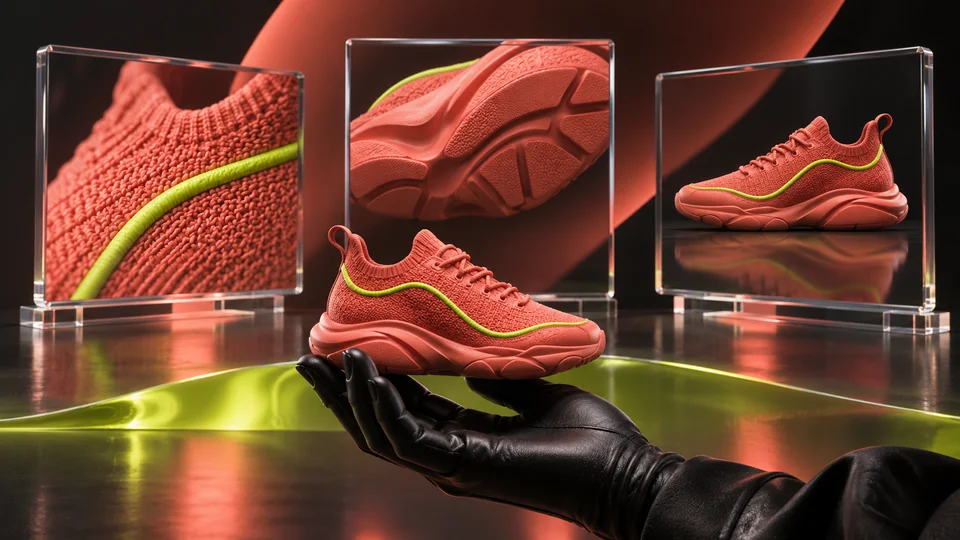
A series of images has a harder job than a single attractive frame. The product, character and light need to remain recognisable from one view to the next. Nano Banana Pro offers a way to explore those…

Getting started with Seedance
A short film still has a sequence of ideas. One shot introduces the subject, another directs attention and the ending leaves a clear impression. Seedance can provide moving material, but the order and…
Design and learning

How AI can help you create images and videos
A generated frame may look convincing on its own. A film asks more of it: the subject needs to survive another view, movement needs to make sense and the edit needs a direction. These handovers explain much…
Choosing lessons and paying for learning
A learning plan should make its commitments visible: topics, meeting count, lesson length and total cost. This article explains how my planner works and what happens between selecting lessons and agreeing a…
Animation for beginners: where to start
A first motion-design project can be a product, a short title and a movement that helps the viewer notice them. That is enough to study composition, sequence and timing. A complicated scene is not required…
Software and a computer for getting started
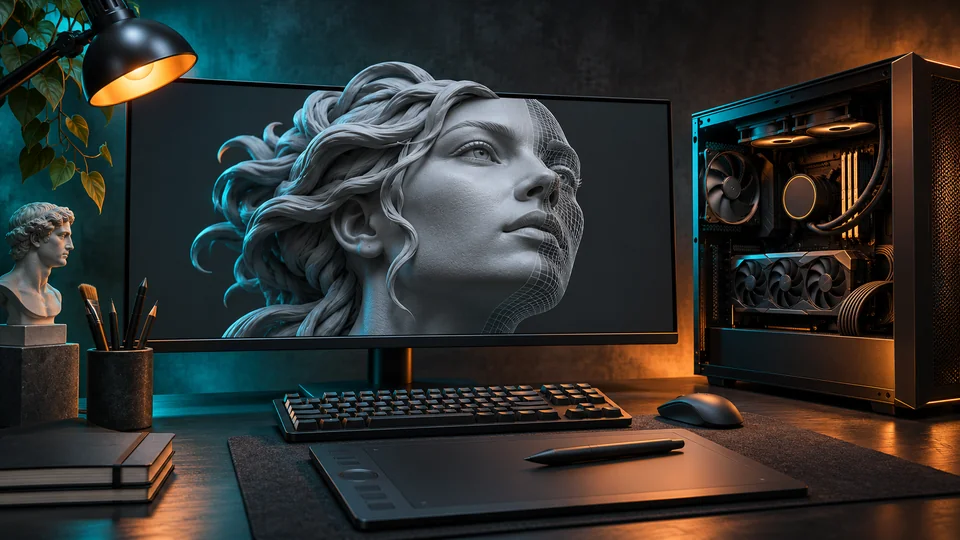
A short 2D composition and a large 3D scene place different demands on a computer. Choosing equipment begins with identifying the work. A practical test with representative material is often more…
Project stories
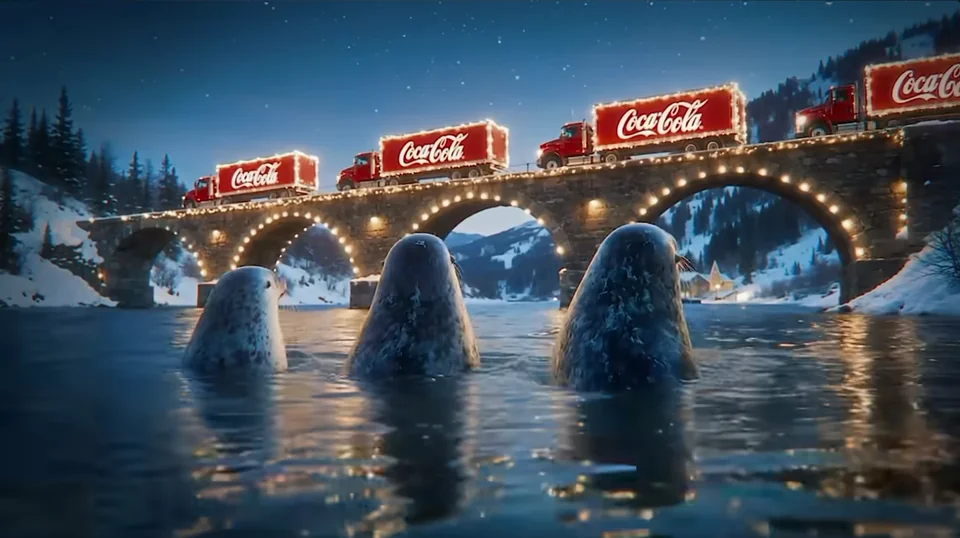
When the wow effect becomes commonplace
AI makes spectacular visuals available to almost everyone. What does that mean for brands built on uniqueness? A look at real campaigns and the future of the production workflow.
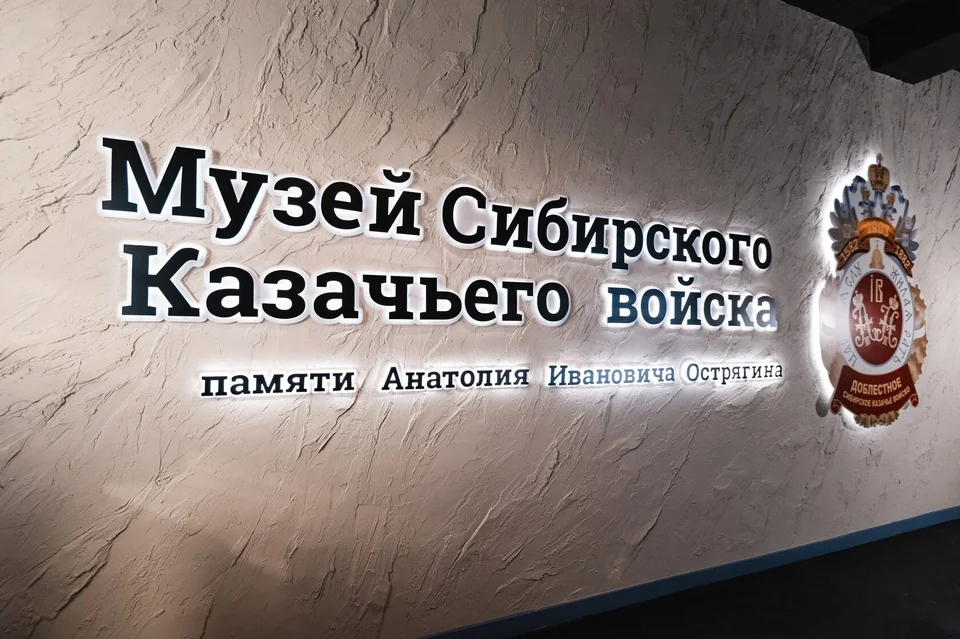
A museum in Barnaul: from layout to a multimedia exhibition
How the team prepared visual materials for the Siberian Cossacks museum in two months, from room plans and exhibit labels to historical scenes and AR content.
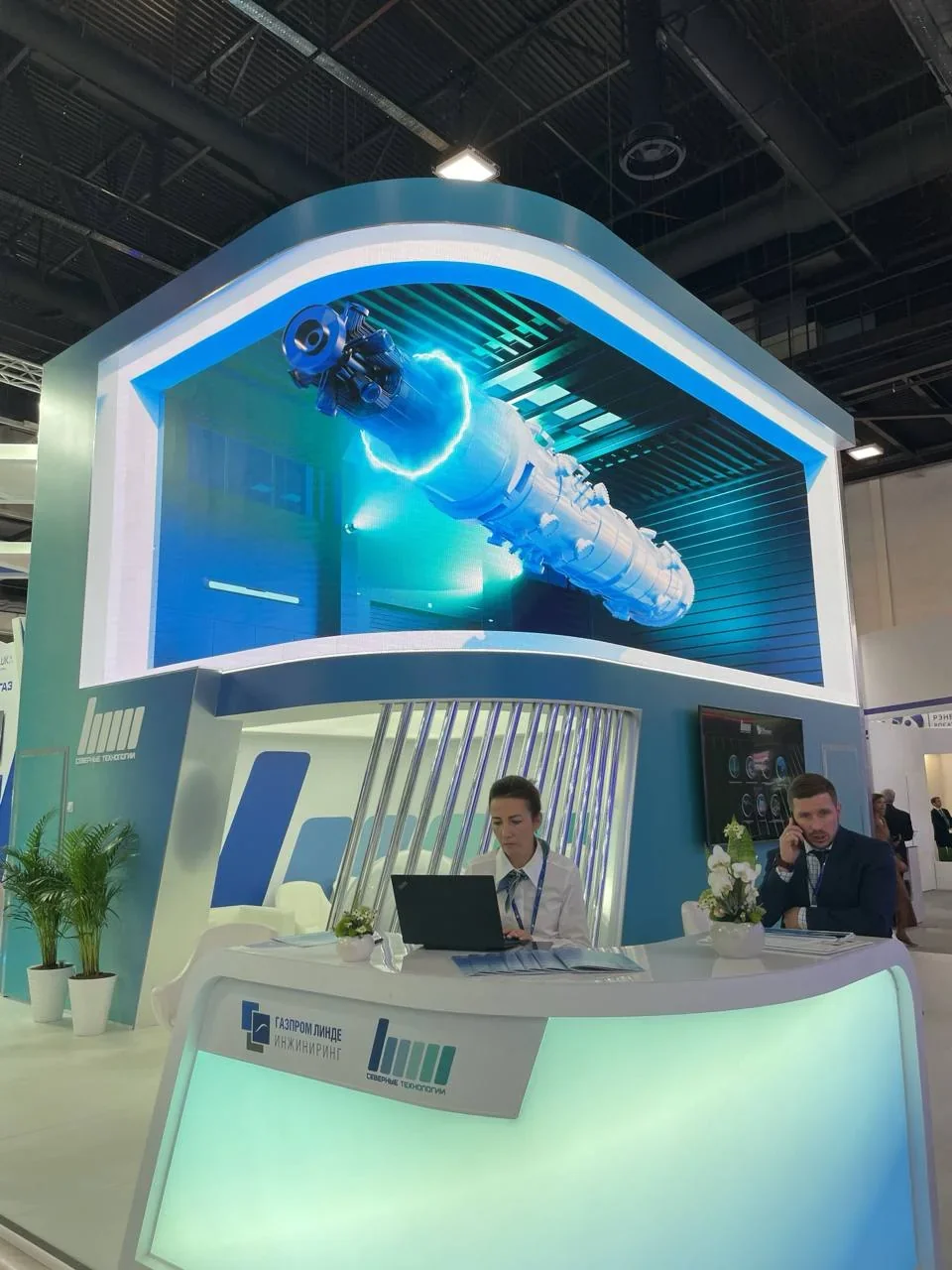
3D Naked Eye for the Gas Forum: from idea to screen
Connecting a corner screen’s geometry, the viewer’s position and animation to create a dimensional presentation for an exhibition stand.
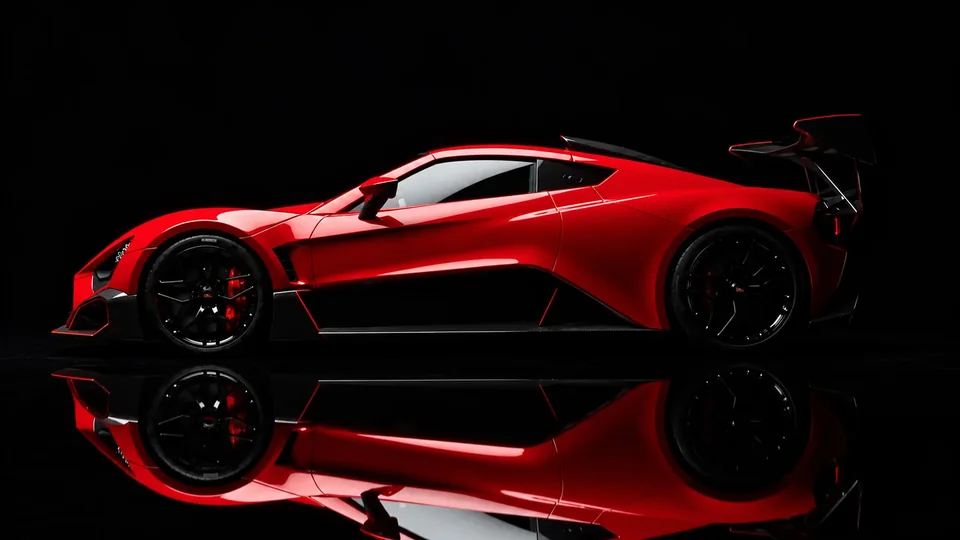
ZENVO TSR-S:one project, two eras
From a 3D film for an international launch to an independent AI version: preserving a product’s character while making considered use of new tools.