
On museum projects I handle pretty much all the visual content for our team. I mean all of it. I start with floor plans, room visualisations and exhibit labels. Then I build landscapes in Unreal Engine, simulate vehicle physics, animate characters (I hate that bit), create levels, lighting, compositing and cinematics. After that comes postproduction: grade, sound, edit and export master.mp4. Or finalfinalfinal3323t3_23_12_2024.png. If you know, you know.
What does this have to do with motion design? I ask myself that a lot 😁 Of course, pulling all of it off alone is hard. I have a few people who are always happy to help me through the suffering, for money, so that we finish on time and make it look good. I'm very grateful to them.
First step — planning 😎
Just kidding. What planning? Come on. In production you can forget that word, along with… stab… stability, holidays and getting paid on time. It usually goes something like this.
Telegram / project chat / 22:34
CEO: Urgent call. We're making a museum in Barnaul.
Executive producer: About whom?
CEO: The Cossacks.
Executive producer: The Cossacks?
CEO: The Cossacks.
CG: The Cossacks?
CEO: Yes! Sabres, horses, whips, Yermak and f***ing freezing Siberia. The Cossacks!
Incoming Call. 1 hr 23 min 54 sec.
CEO: We start. The money arrives next week. Get the teams ready.
CG: OK.
Executive producer: OK.
Lyokha: OK.
We're designers, so I won't drag you through the management side; they have their own adventures. We go straight into the work and try to map out the timing. We have two months to make a museum. Luckily, we don't have to fly to Barnaul, coax information out of Cossacks or spend our days interviewing historians. We do have to do everything else.
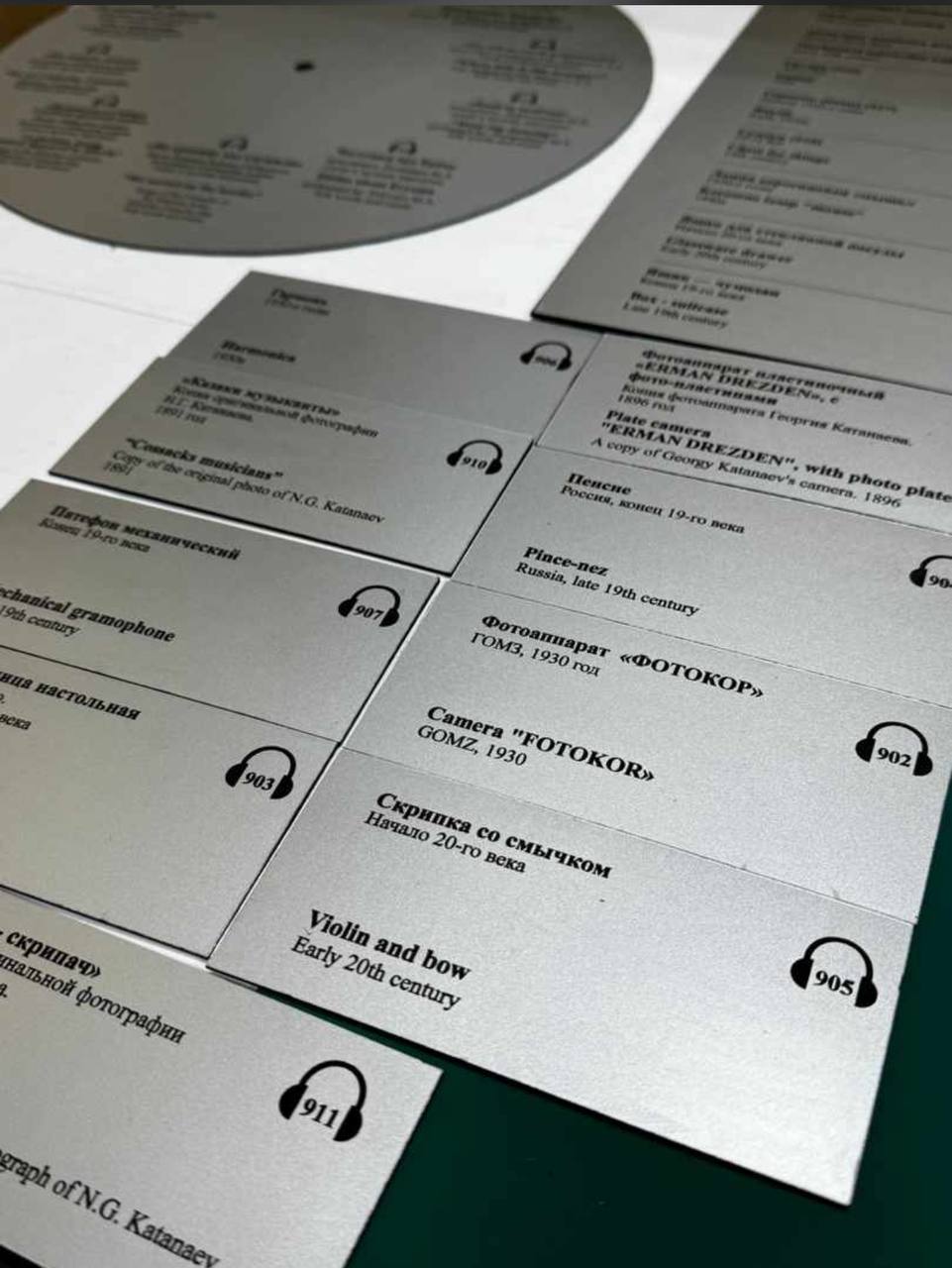
- Plan the space: a sensible visitor route, exhibits and equipment that don't block emergency exits, and the visual design of the halls.
- Define the content's visual language. Reading should be comfortable; fast changes shouldn't irritate visitors, and finished pages shouldn't sit on screen forever. In short, get the timing right and make it look good.
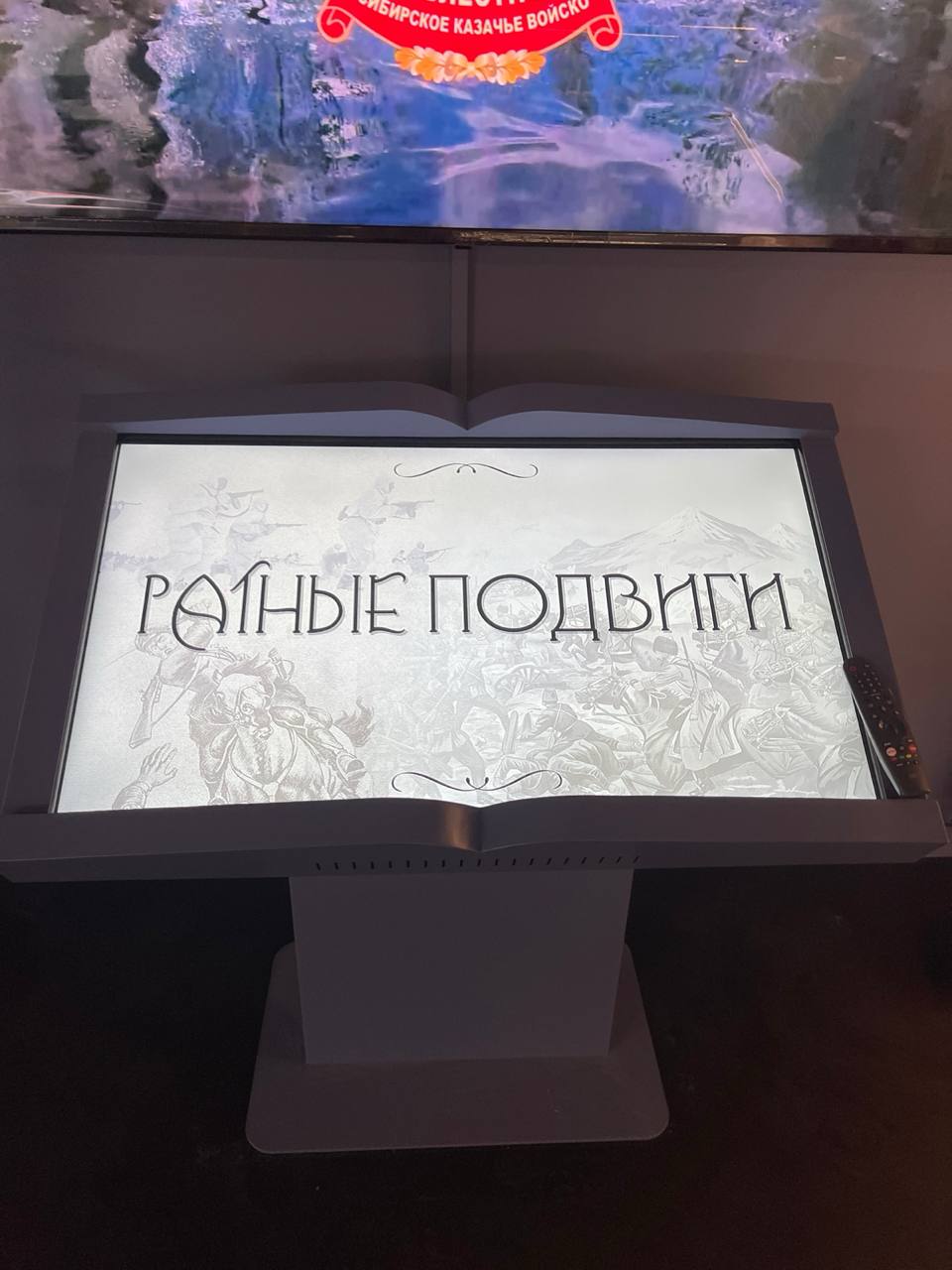
- Produce graphics and animation for LED screens, projection pyramids, interactive books and other displays. Motion design at last!
- Key and composite material filmed against green screen.
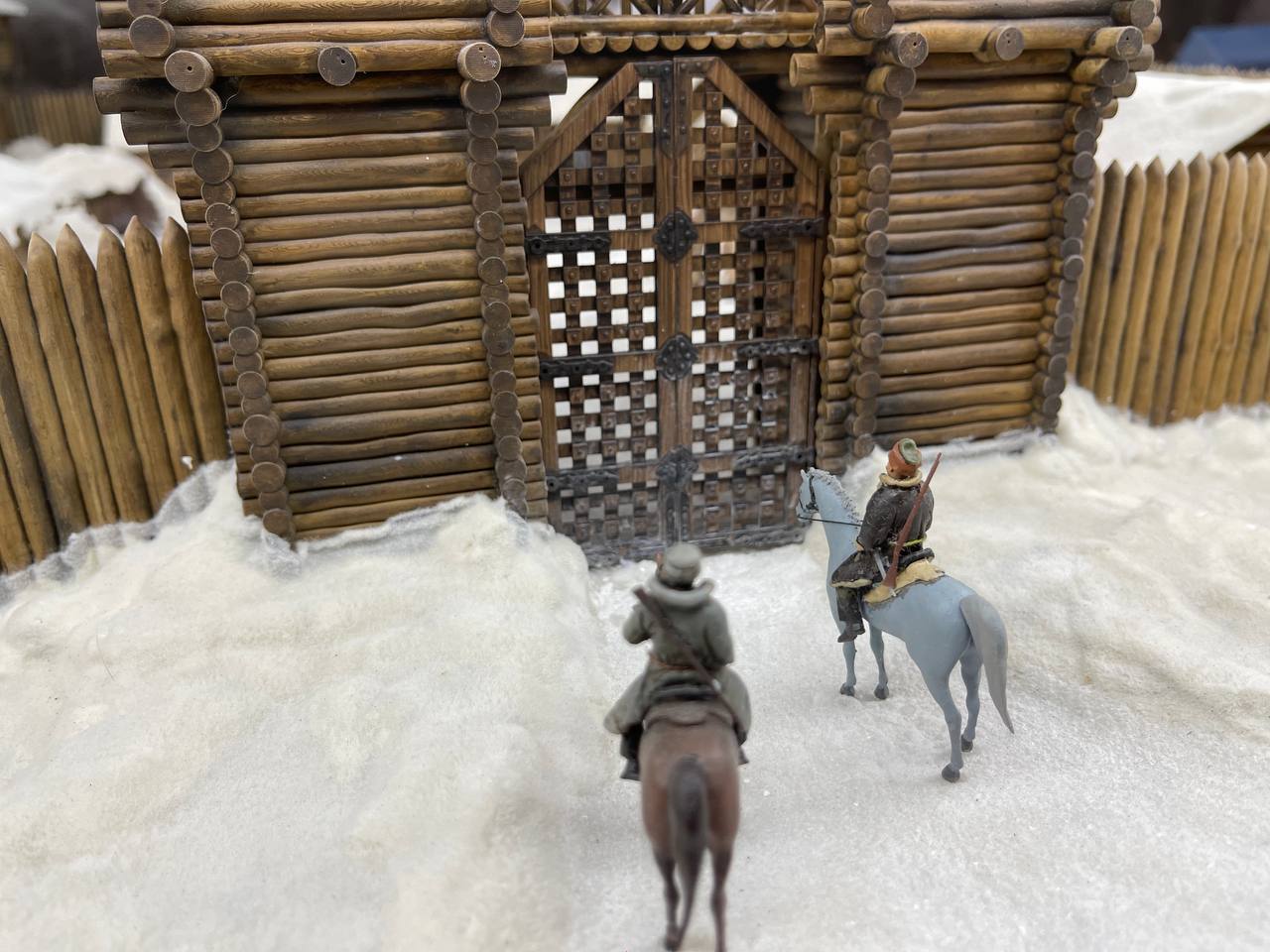
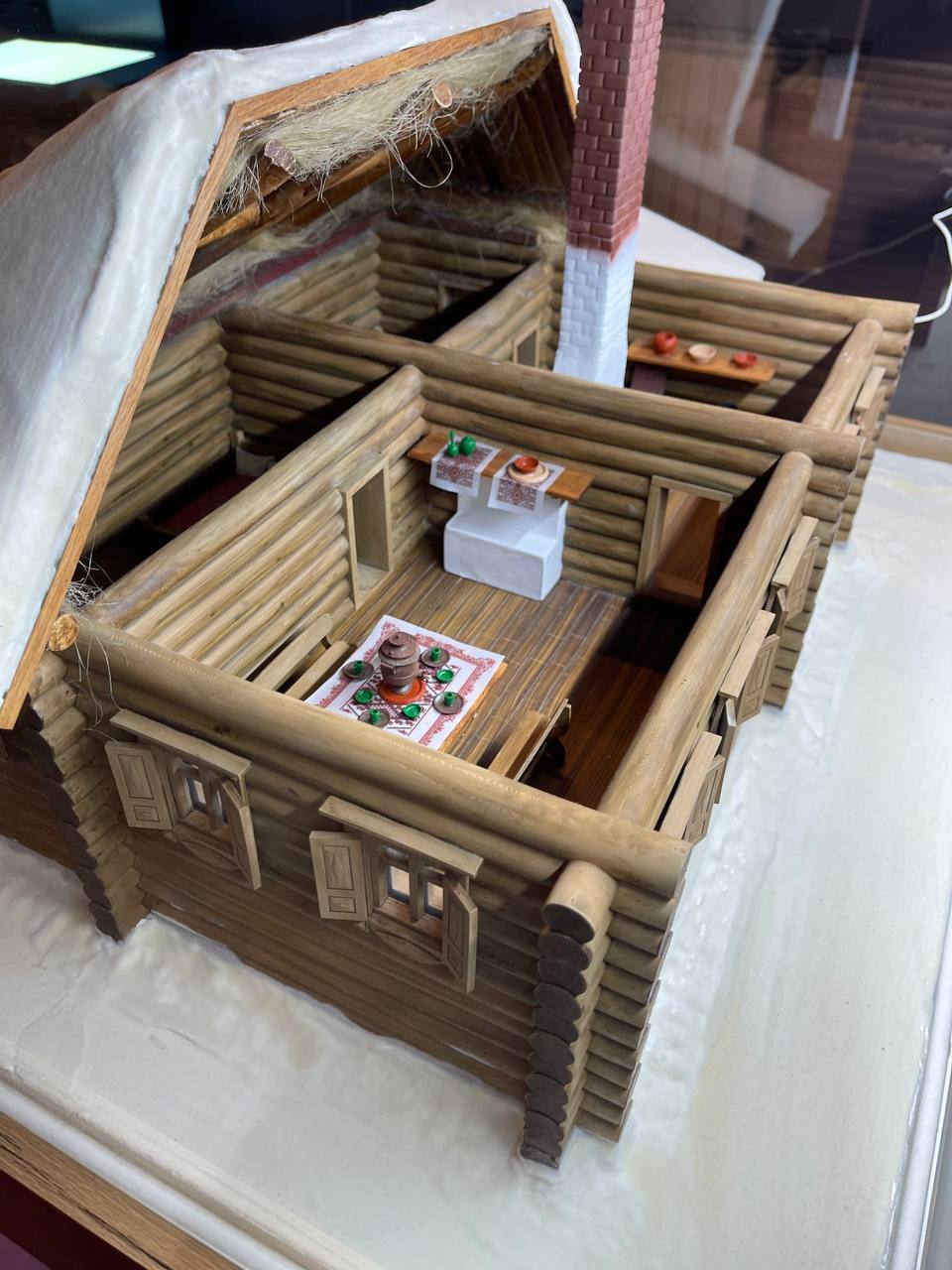
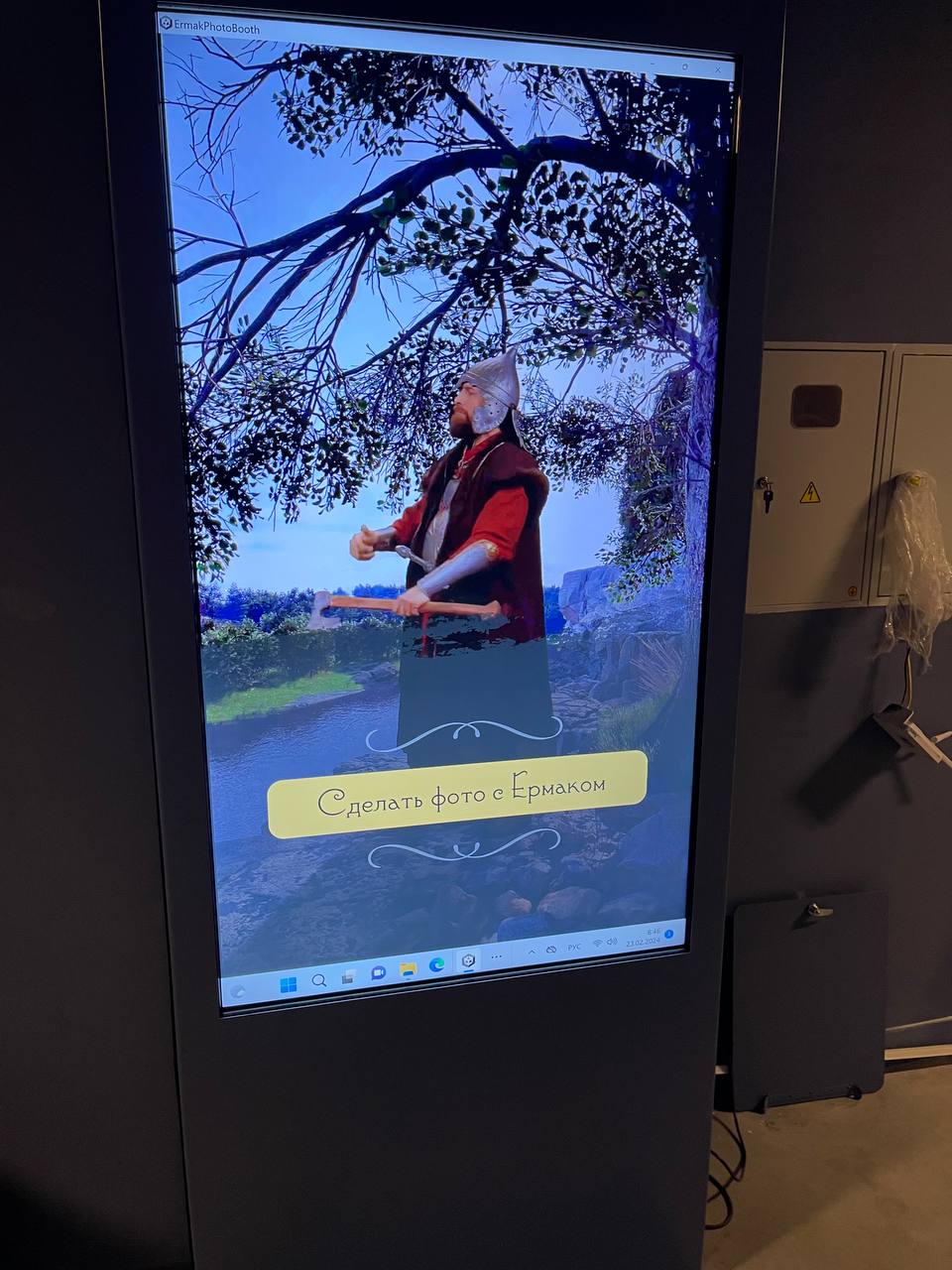
- Build an Unreal Engine scene for an AR photo experience, a Siberian summer village and a winter fort.
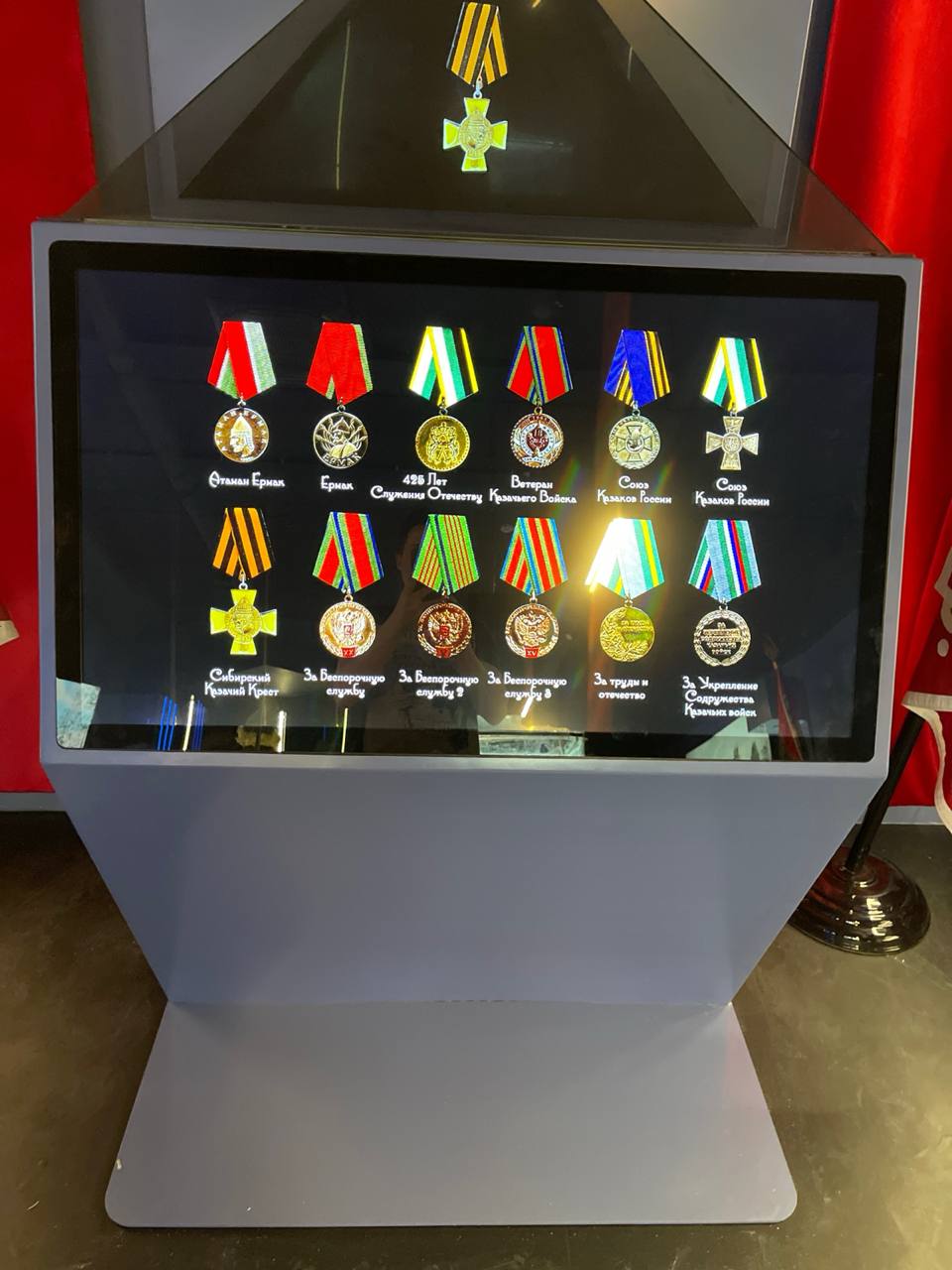
- Model and texture medals, animate them in Cinema 4D, render, finish in After Effects and export with alpha.
Plus photography, image retouching, print files, nine-metre banners and plenty of other graphics tasks.
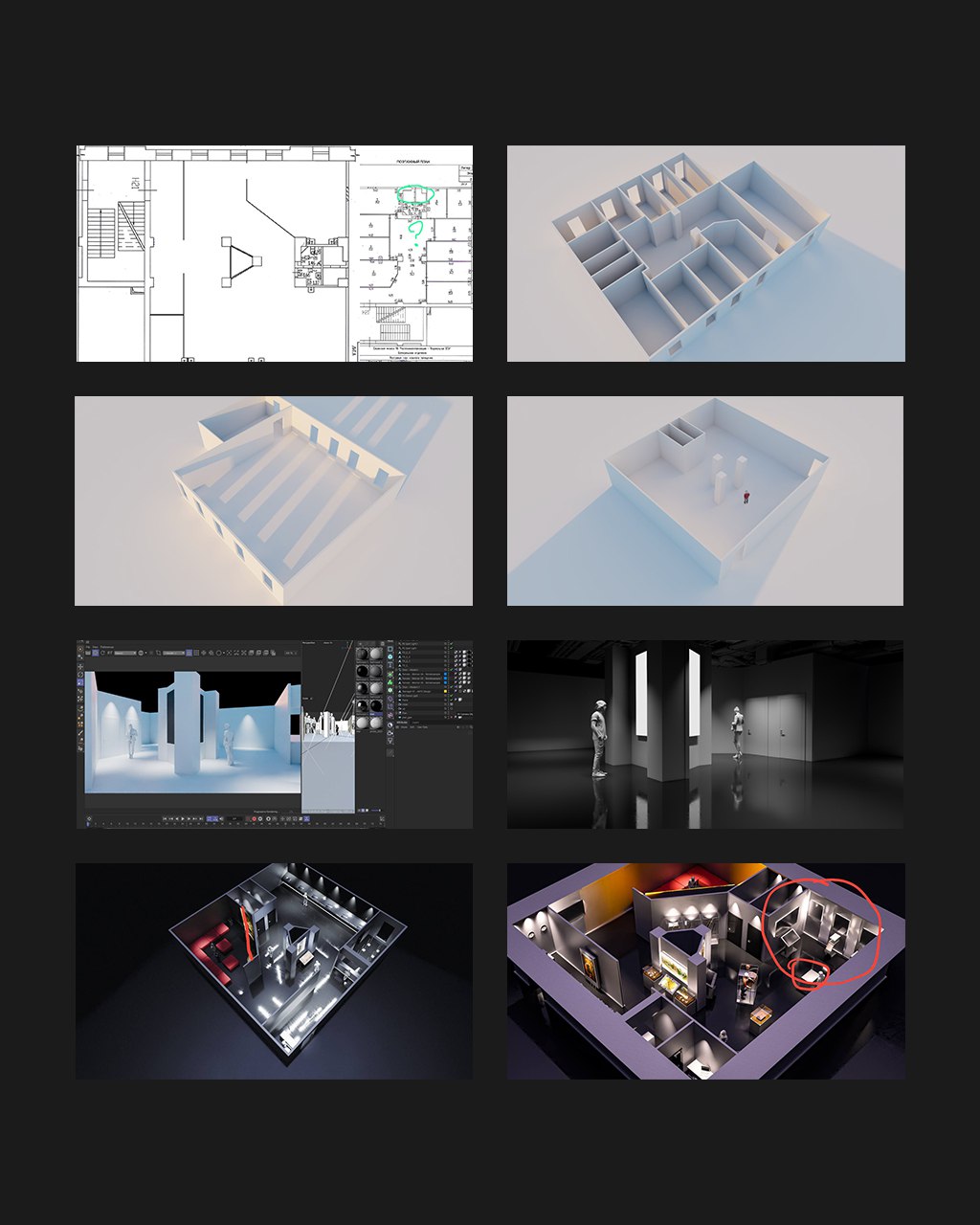
What did we make?
The numbers look almost tidy. Until you remember how many times every file went through the loop of “review, approve, revise, review again.”
- A visualisation of the museum layout and a small style guide to show how it would work.
- About 250 pages of historical information for interactive books and screens. That's a job of its own: a historian sends you a book and highlights, in yellow, the parts you should and shouldn't use.
- Twenty-four videos on maps, battles, deeds and other Cossack stories. First you have to understand the events, then check that the maps, dates and troop movements are right.
- Eighteen modelled medals for the projection pyramid, three UE scenes with historically accurate everyday details, five AR videos, three StereoVario images and four historical timeline banners.
Why Unreal Engine instead of AI?
Why build a Siberian village and fort in Unreal when you could prompt a few images and retouch them? AI can be useful. But for this job, at least for me, it would often take longer than building the scene in UE.
- I control what belongs in the scene. Historical accuracy isn't just a box to tick here.
- I can match the visuals to the room, the other content and the overall colour treatment.
- Client notes and specific details can be changed quickly without wondering what else the image generator might alter.
- One scene gives me high-resolution output and multiple camera angles.
- And everyone has the right number of limbs. The faces look like the intended people, too.
For some reason I made the overall museum visualisation in Cinema 4D back then. Today I'd make that in UE as well. Realtime makes it quicker to find the right solution, and with a good setup the result can look just as good. Arguably. That's a debate for another day.
Approve. Revise. Repeat.
For professionals, the volume of content is neither tiny nor enormous. The real work is getting everything approved, collecting comments, revising, collecting another round, revising again, sending files to print, inevitably messing something up, fixing it and sending it again. Then presenting everything to the client, getting feedback, opening the museum and pouring a couple of whiskies to celebrate getting it over the line.
There are countless parts of the job I haven't described. Otherwise this would turn into a whole book. Do we need a whole book? We don't.
And now, the conclusions
The team is everything. Planning on the fly is a vital skill. A sensible CEO is worth their weight in gold. An energetic producer gets things done on site. Good paperwork and client communication prevent loose ends and post-project chaos. Someone who understands construction saves money. And CG people are bloody brilliant by nature.
I say this often: everyone should do their own job. When each person on the team has a clear area of responsibility and doesn't have to worry constantly about everyone else's, the work comes together. You can even make it look good with just two months to build a museum.