3D Naked Eye. It looks unusual and ridiculously cool, but this kind of content is expensive to produce and put on a real screen. I made one such project for Gazprom Linde-Engineering and Northern Technologies in 2022. In short, they design gas processing and petrochemical facilities. You know: important, wealthy and fairly close to the state.
The contracts with those companies were obviously not mine personally. That part belongs to grown-ups with long careers in politics and business. Sometimes it is better to keep those two words apart, just to avoid questions. Decisions take a long time, approvals even longer, so our preparation lasted about six months. Six months of occasional visits to an office in central Petersburg, meetings and watching the coffee machine work without ever taking a break.
In Petersburg, nobody is in a hurry
There is one thing about working in Petersburg: we are in no rush. We prepare, discuss, slowly work out what we are actually supposed to make, adjust it along the way and lazily approve another version. But rushing? Never.
While we were approving one task in Petersburg, I managed to fly to Moscow several times, finish other projects of roughly the same scale and come back. Then I would walk up to that coffee machine, press double espresso as usual, stroll into the meeting room and wait for the new (old) instructions.
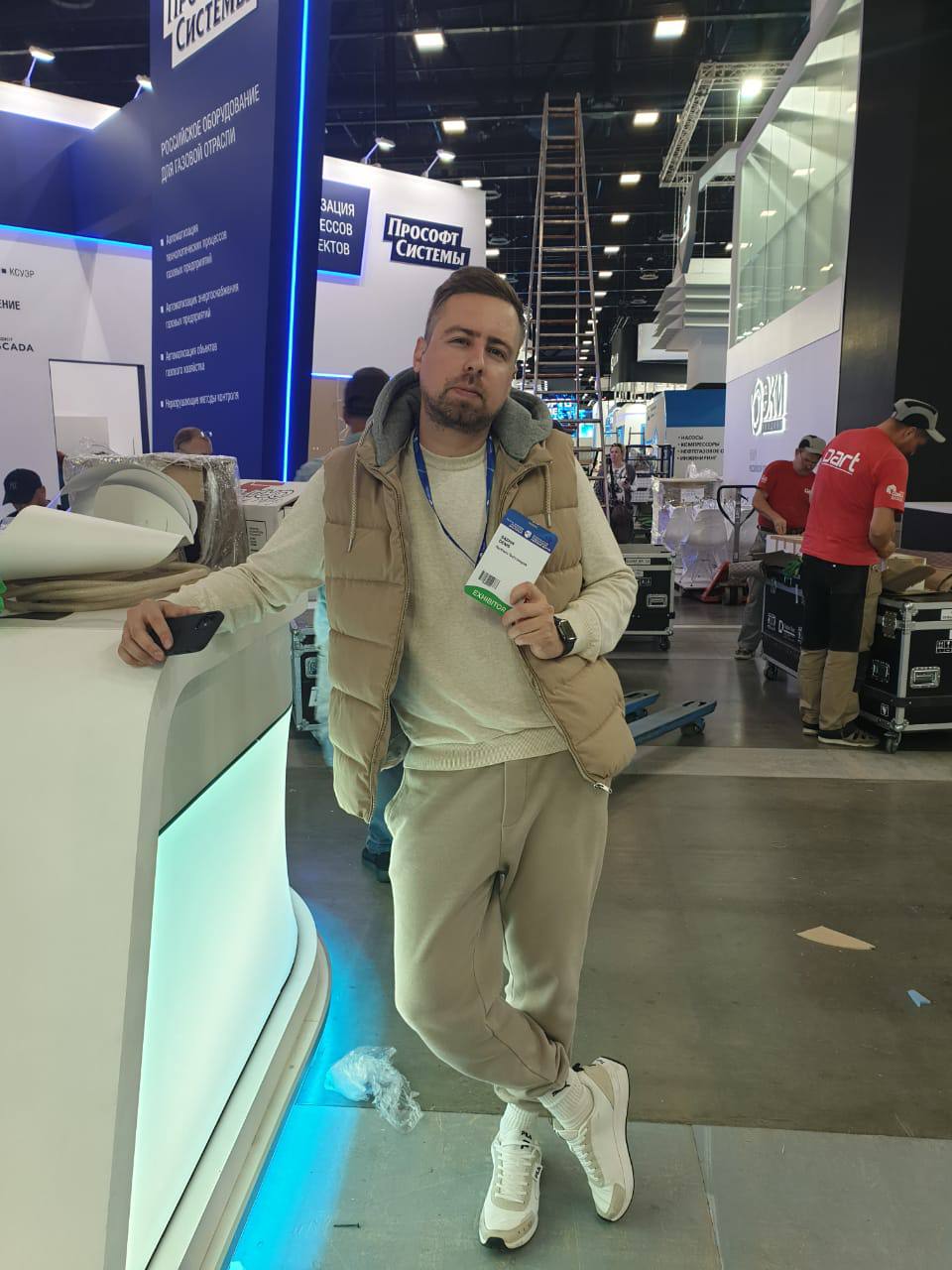
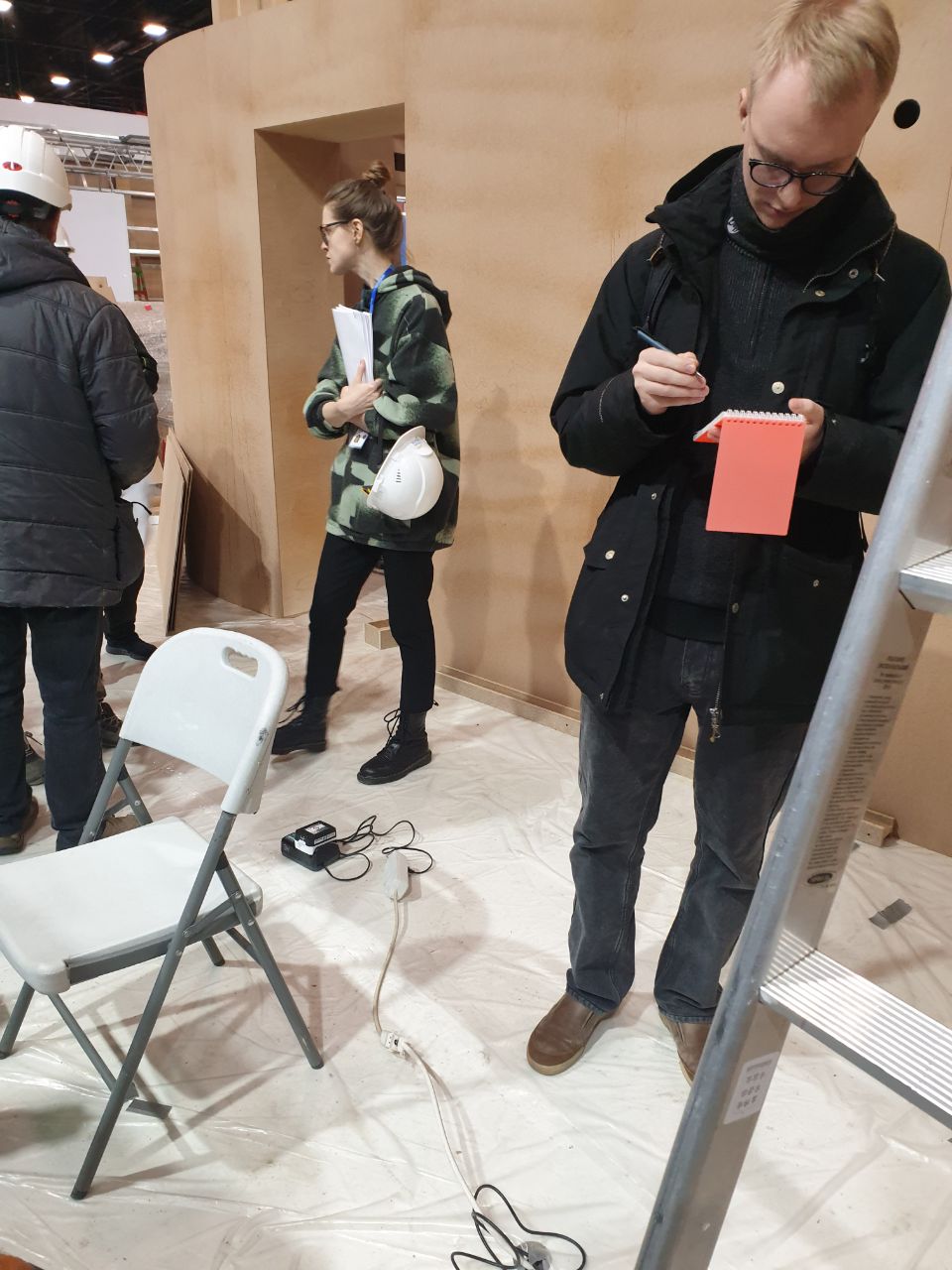
One day followed another. Spring turned into summer, summer into autumn, and suddenly we realised there were only two months left before the Gas Forum. It was probably TIME to start making something out of the four months of very thorough preparation.
And you know what? Everything followed the classic script: workarounds, ASAPs and “urgent, urgent, can we finish and check this right now?” Which raises the obvious question: WHAT THE HELL did we spend all that time planning for if it still ended up like this? Do not wait for an answer. I never found one.
New technology, little to go on
Naked Eye was new territory for us at the start. The field was only beginning to grow in Russia, and detailed information about preparing content for a specific corner screen was scarce. We understood the general idea, but nobody handed us a ready-made recipe for our venue. We had to work it out ourselves.
Chinese tutorials, then Arabic tutorials, staring at screenshots from videos — each offered a clue, but not a working method. The bright minds on our team helped us connect the dots: people who had been on familiar terms with 3D since I was still discovering Windows Movie Maker. Together we figured out how to build the projection for our screen.
They realised the effect depended on a UV unwrap built for the screen and its projection. We had to calculate the point and angle from which a person would watch, the screen geometry and resolutions, then create the composition in 3D around those numbers. It is more complicated than that, of course. I am keeping it simple so you can keep your head.
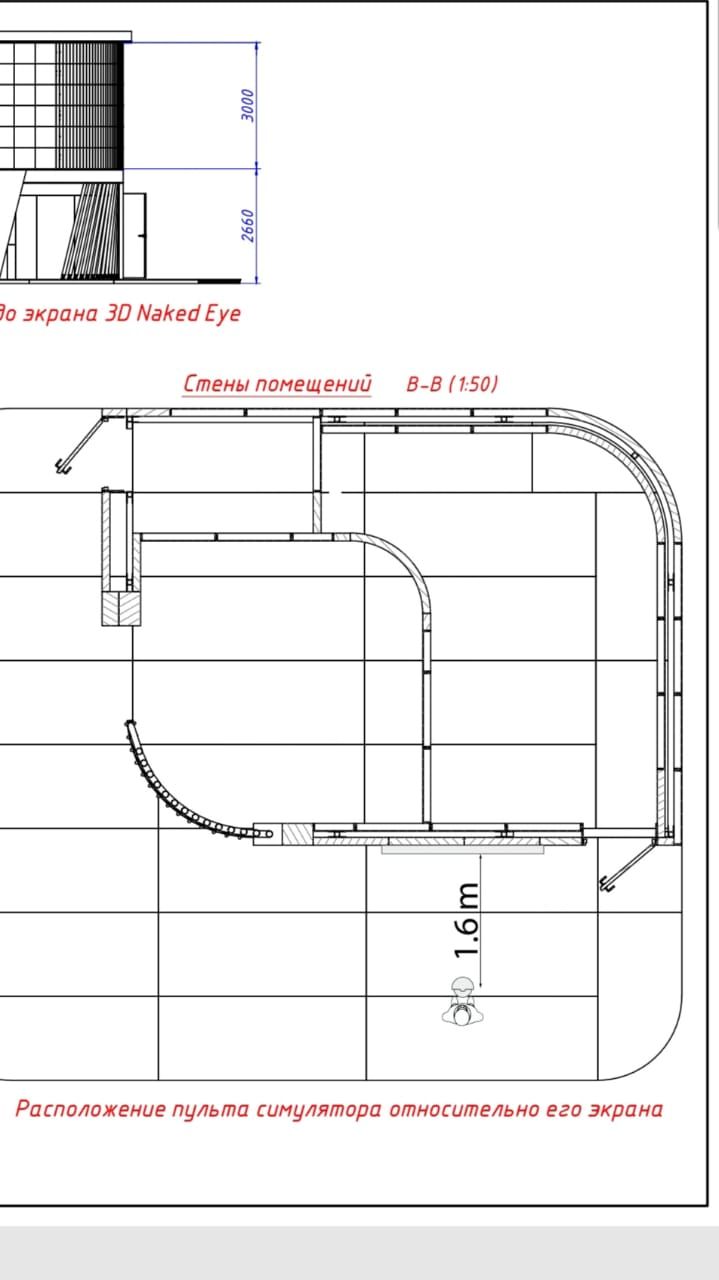
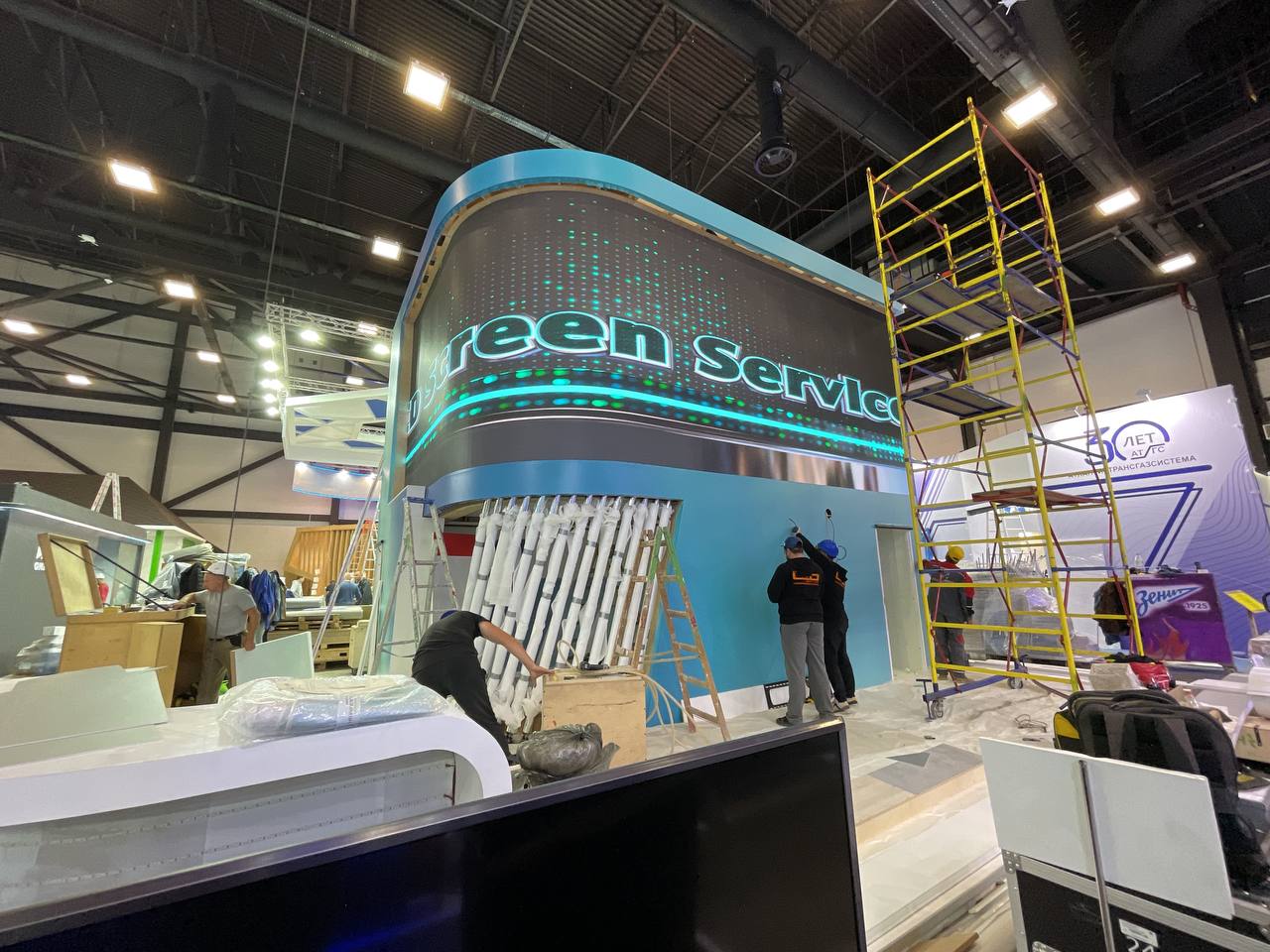
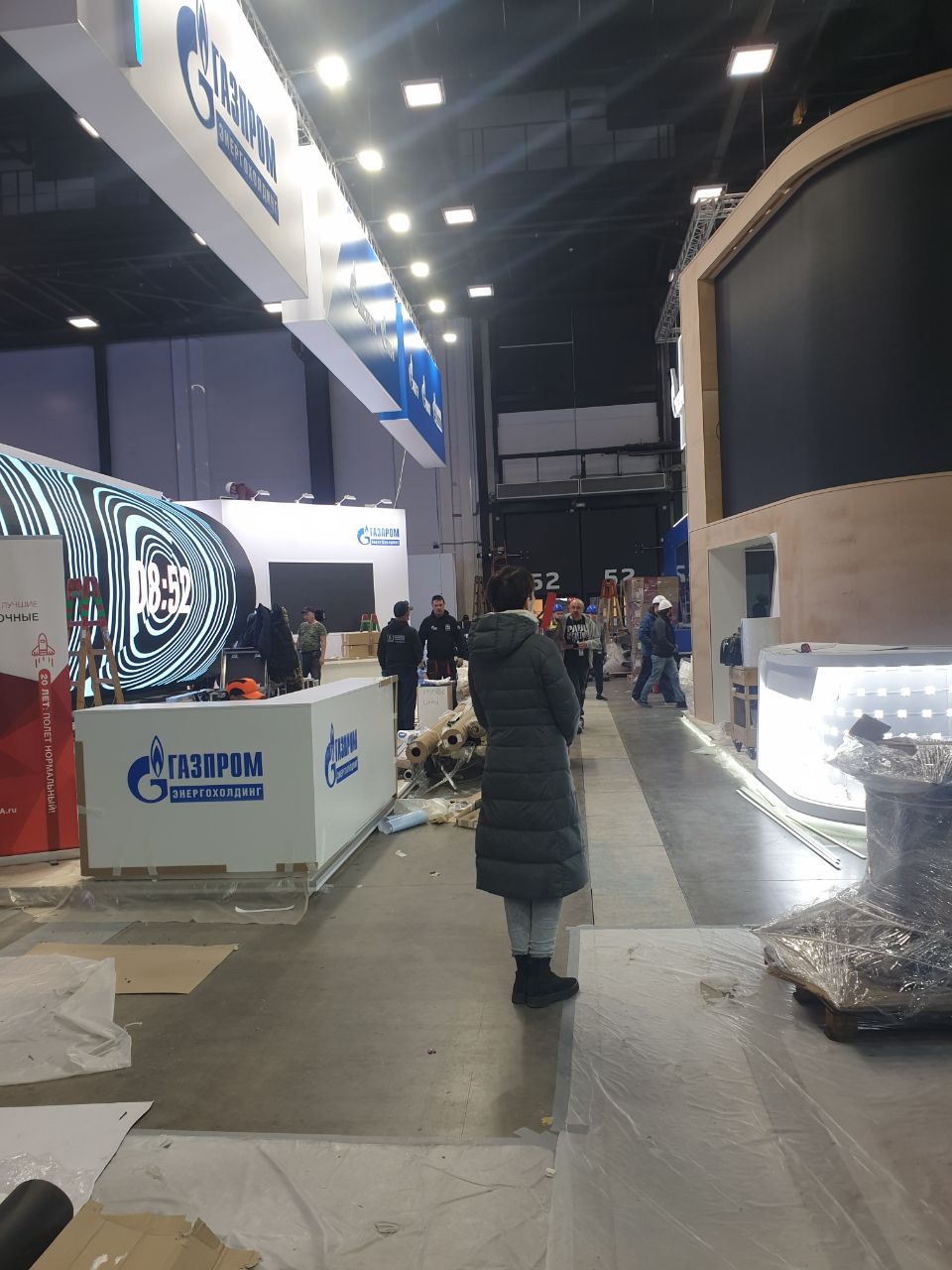
Construction, setup, checks. That is pretty much the whole day before a forum opens.
Now for the motion
Once we knew the points, screen resolutions, viewing angles and everything else, we finally got to the sweet part: Motion Design. We planned the animation, actions on screen and frame-by-frame sketches, then agreed on the overall concept.
Next came animatics, tests, different ways for objects to break “out of the screen,” and endless refinements. In post we added all the tiny bits of sparkle that make the image feel finished. Around the 138th round of changes, we finally said: this is it. We can move on.
Move on to what? Nowhere. We had to wait for the stand to be built, because the content could only be tested two days before the forum. Until then, the entire plan rested on trusting our lead’s calculations. To give him credit, he was very rarely wrong. That helped.
IT WORKS
Then the usual: we got our venue passes, arrived, connected everything, looked at the screen from the right place and — holy shit — IT WORKED. Tears of joy, phone calls to the family, fireworks for the winners :)
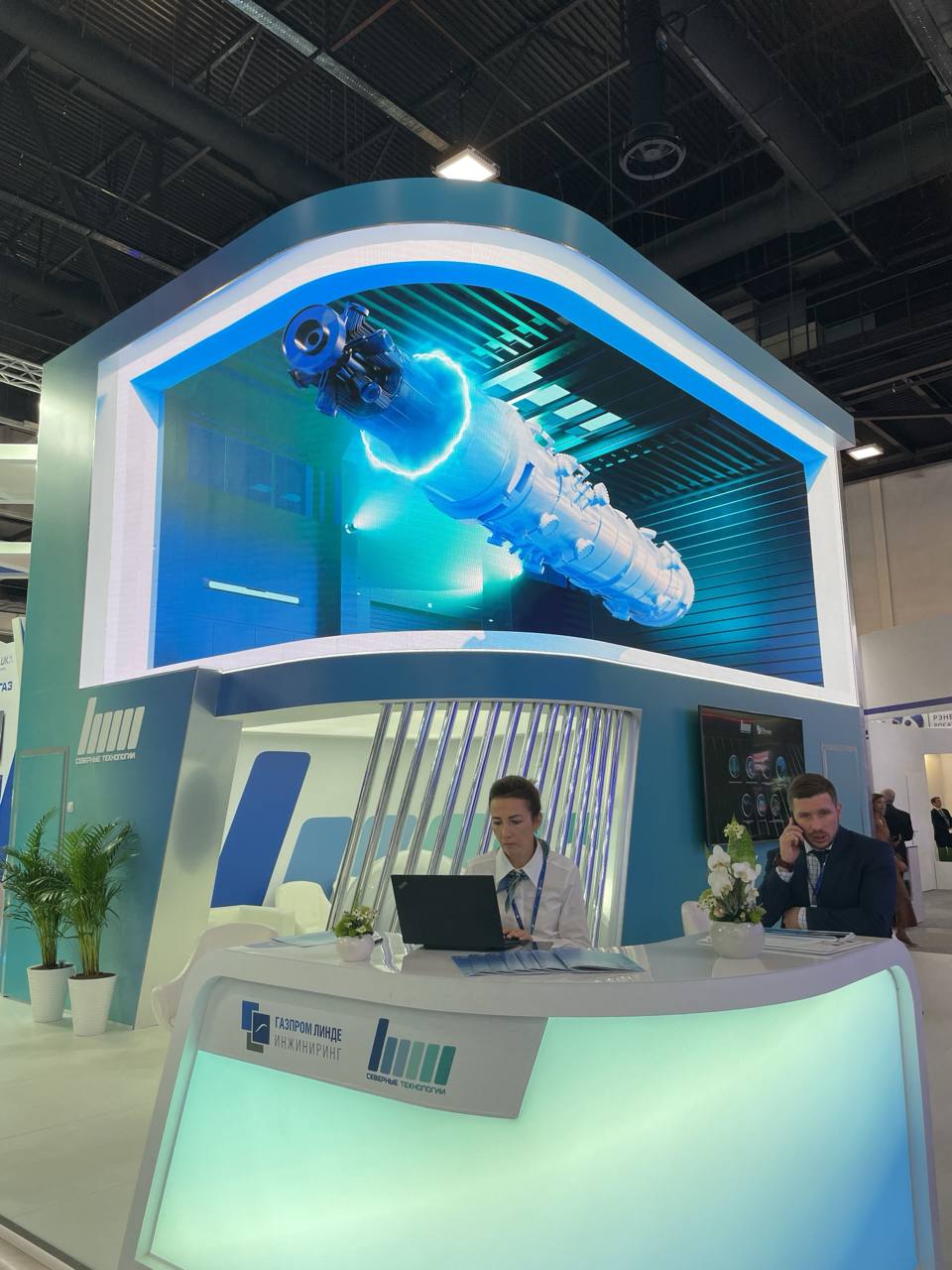
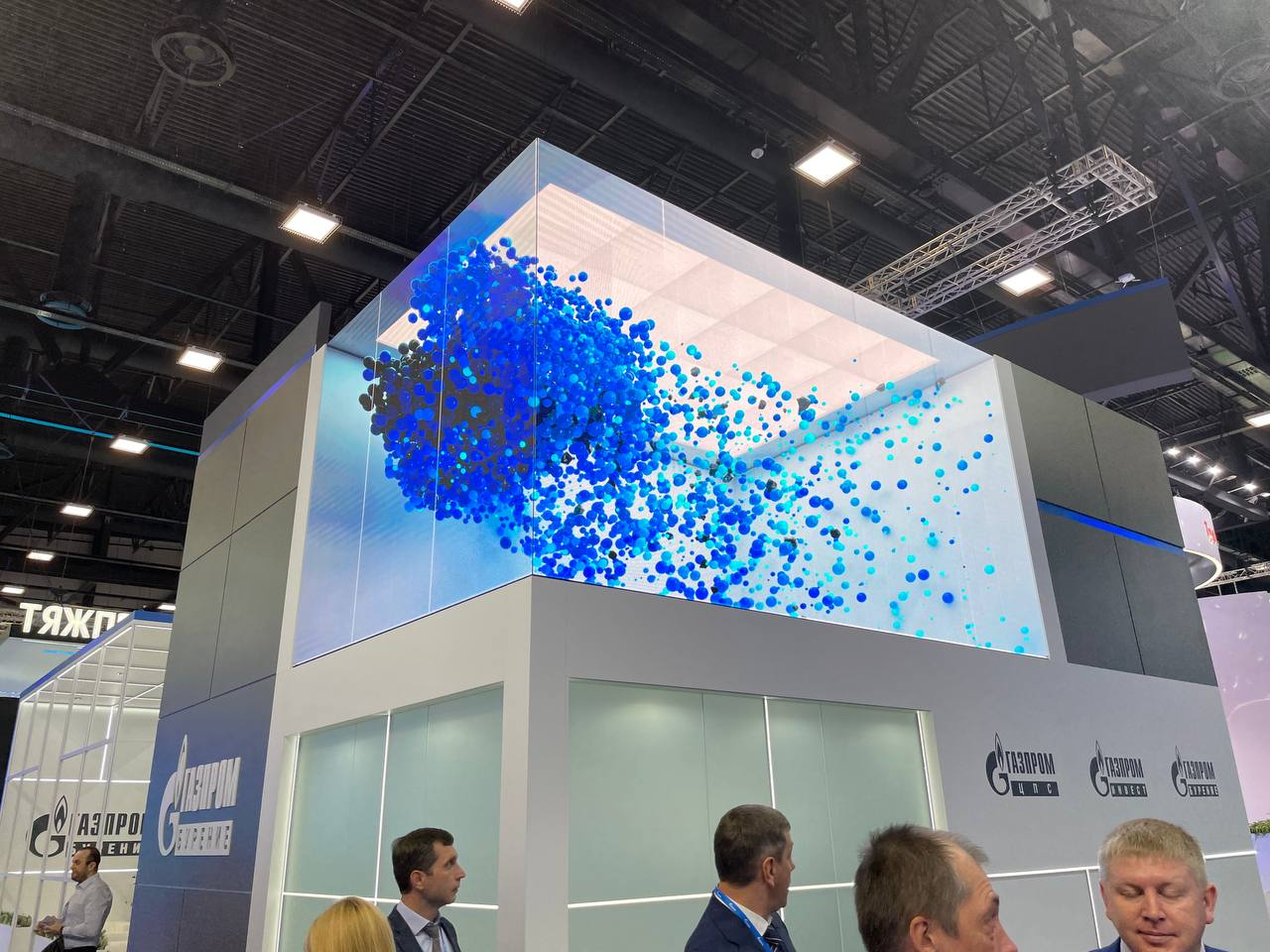
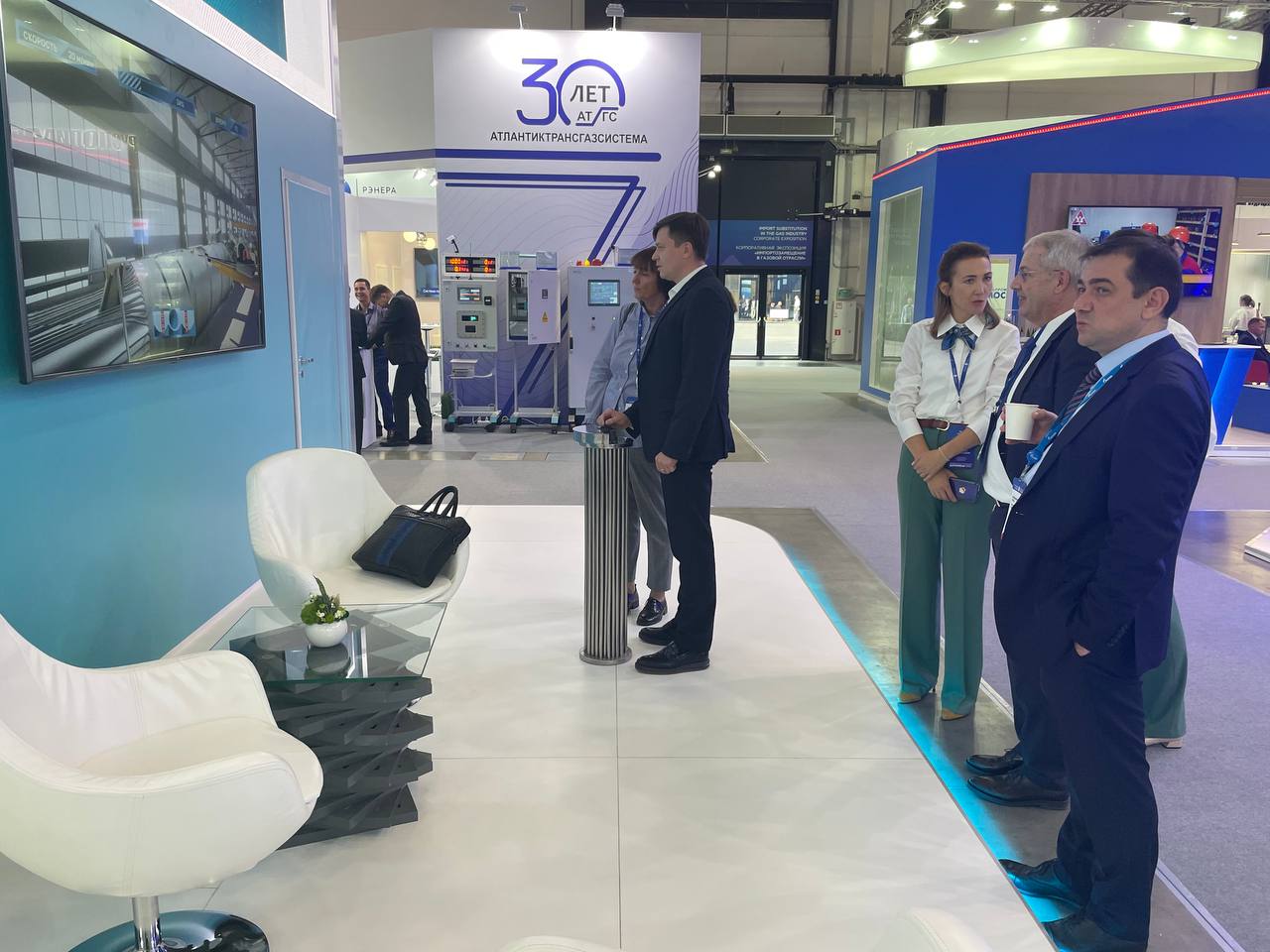
We spent another couple of days at the venue drinking coffee and looking at what the other designers and teams had made. We roasted the bits we did not like, talked about the bits we did, agreed ours was better and carried on.
A year later: water in Houdini
A year later we made a second project for the same client, along much the same lines, only this time with a water simulation in Houdini. There is no point in retelling the whole production: the story played out in a similar way. We made a few more trips to the client to explain how good it would look, then went back and made it look good.
Once again, the ship model, screen geometry and viewer position had to work together. Here is what the process looked like, from the unwrap and scene to a test frame.
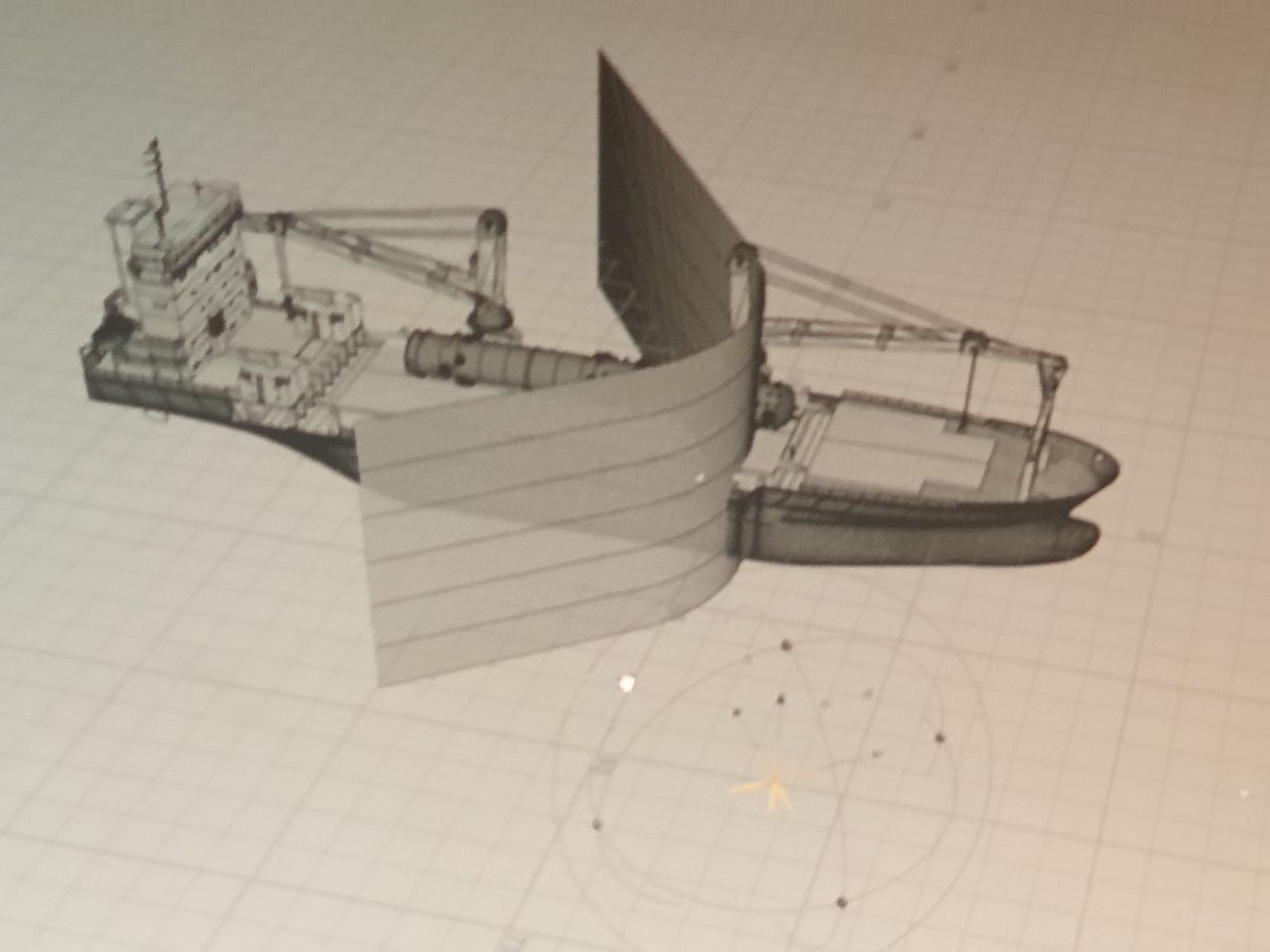
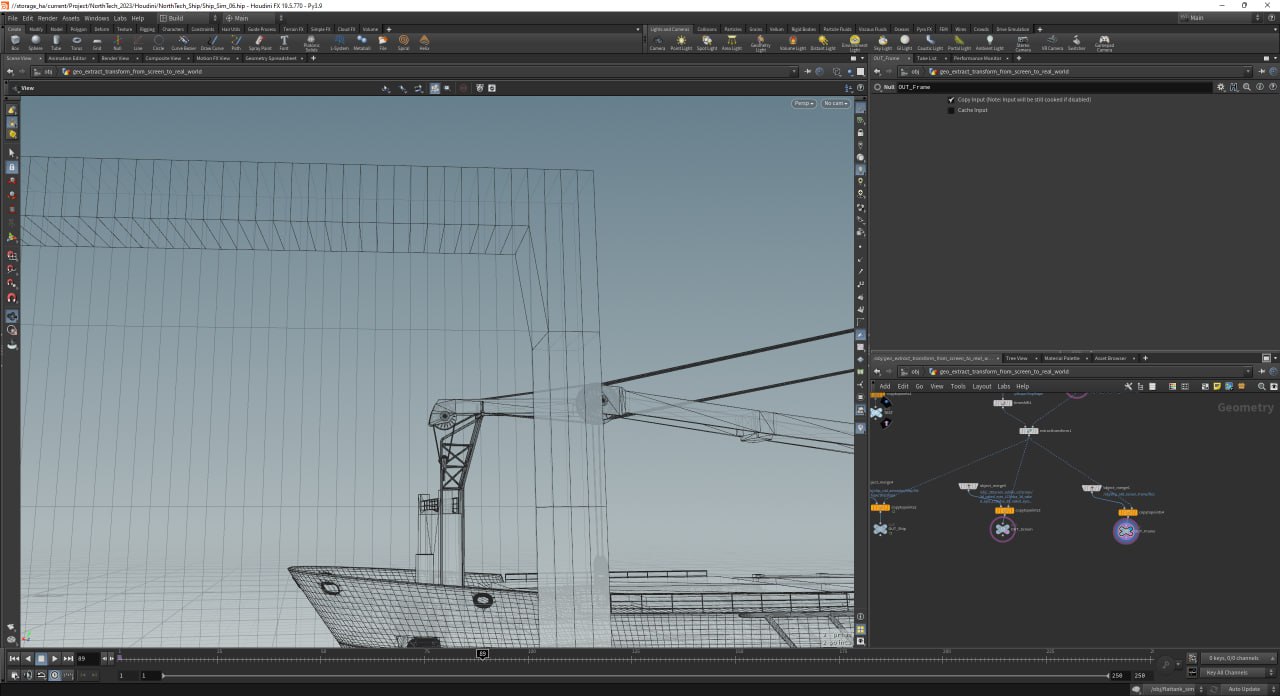
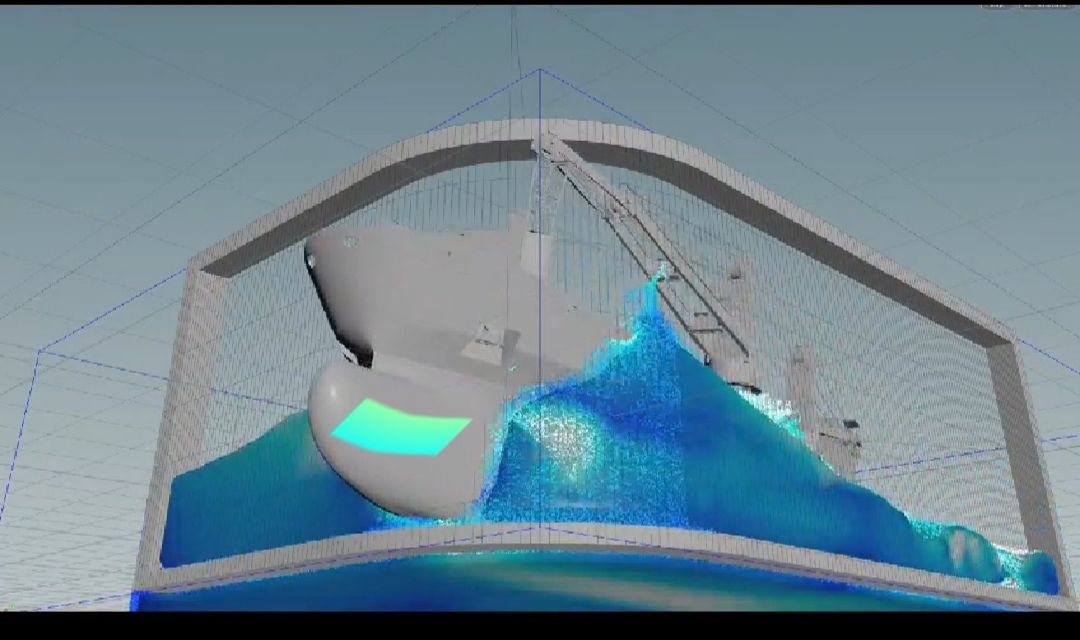
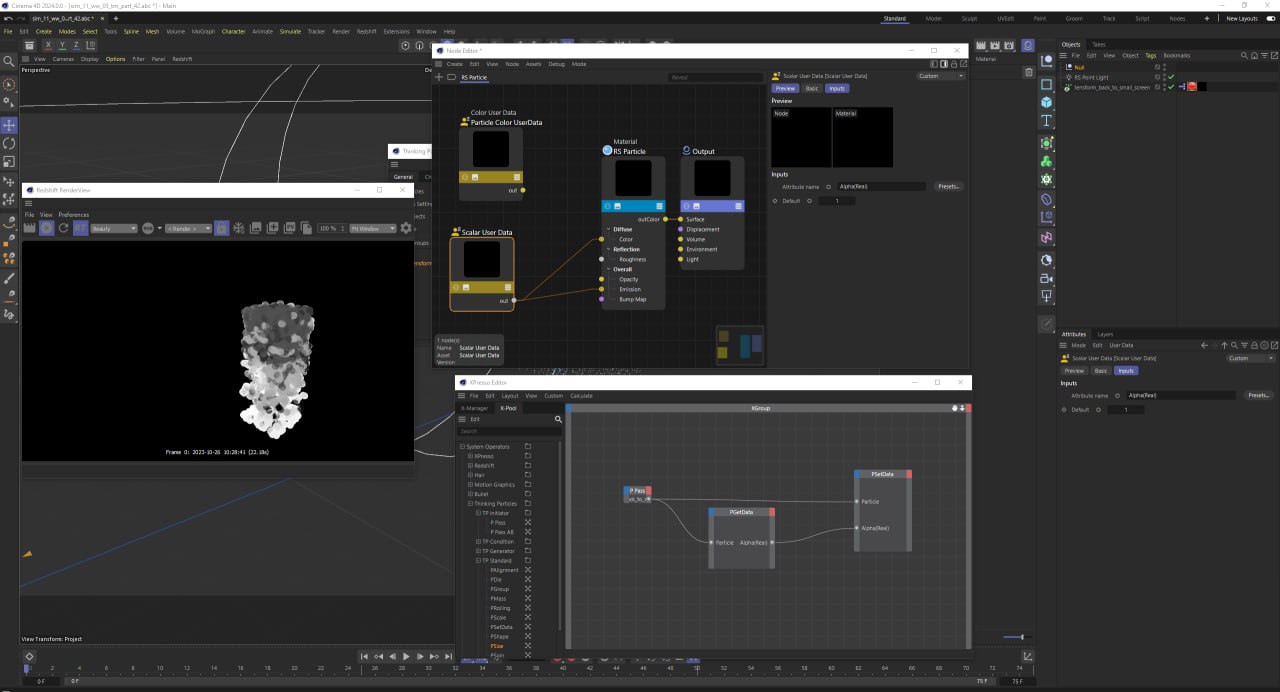
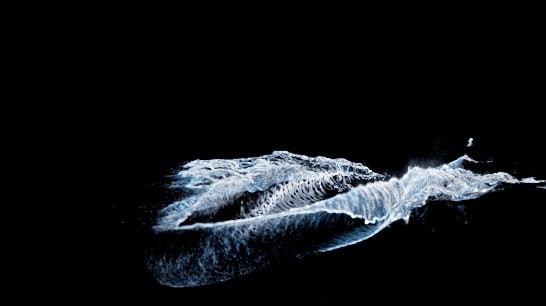
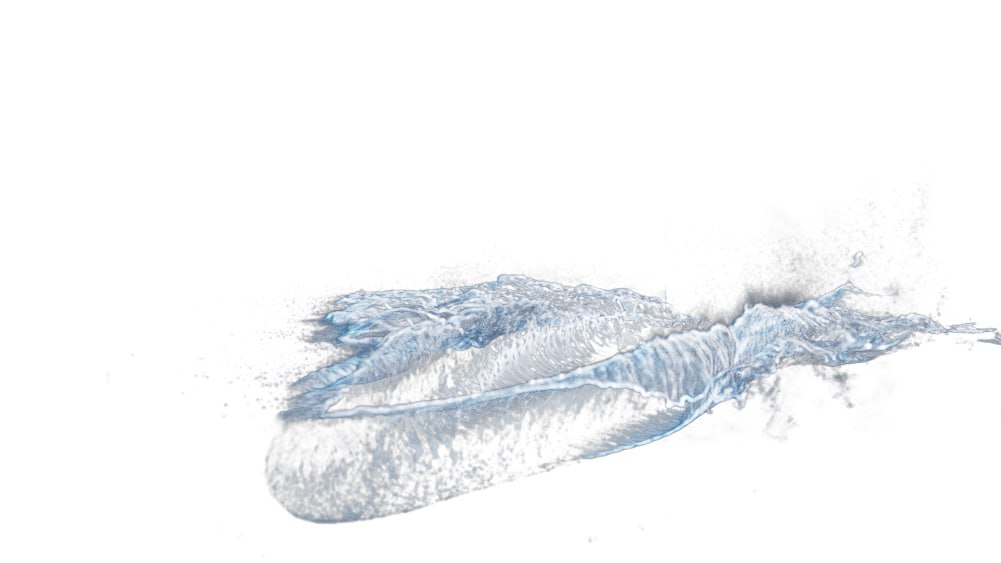
One water sequence took about 28 hours to render on a farm of eight servers. From the outside you see beautiful water; behind it, eight servers spent more than a day doing the hard work.
Conclusions? Nothing grand today. Love what you do with your whole heart, and things will work out ❤️