
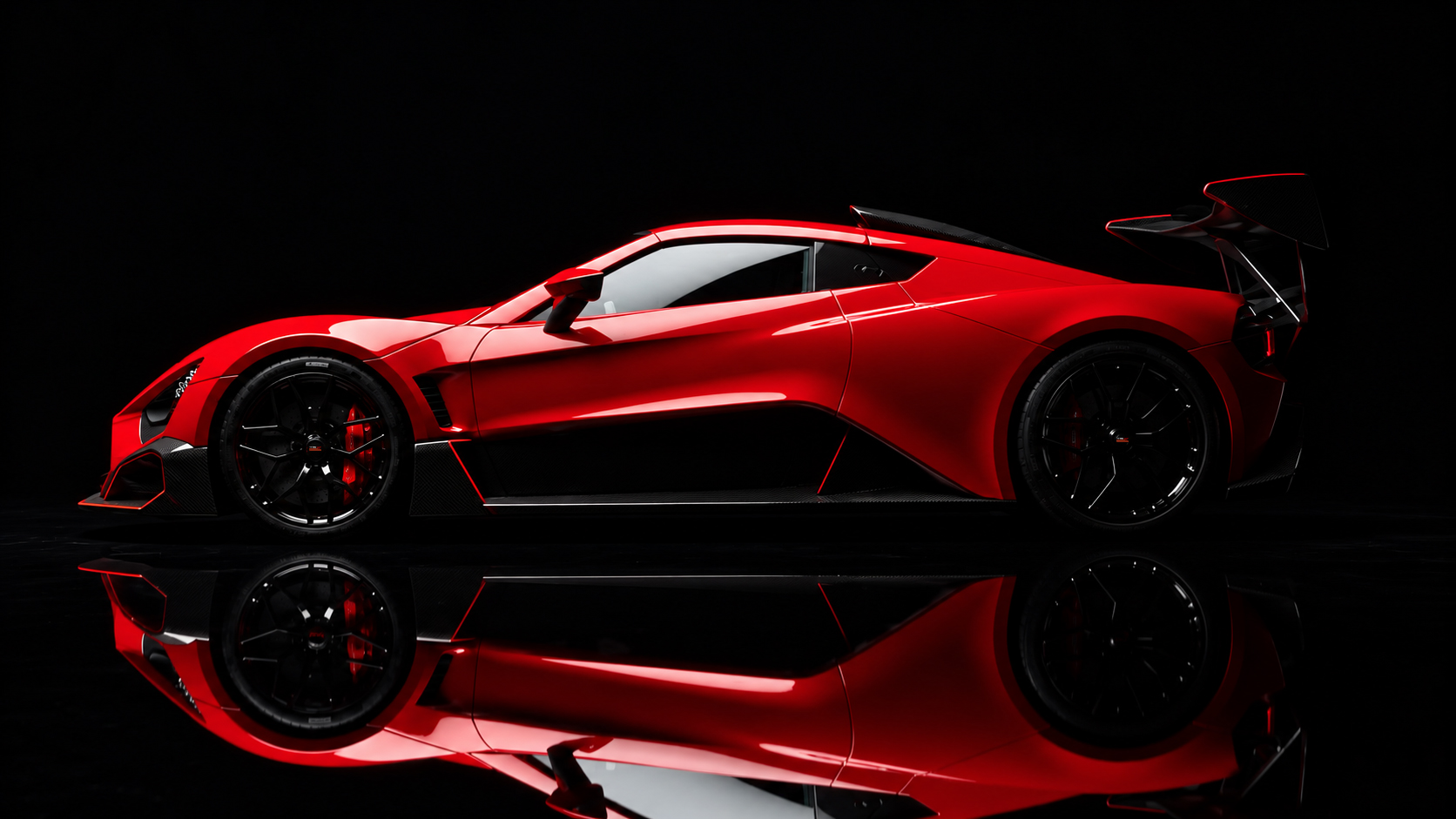
Recently I was going through old work again and came across a ZENVO film I made at the end of 2017. It was one of my first proper commercial 3D jobs - one of those projects you somehow keep in your portfolio for years, even after a lot of newer work has arrived.
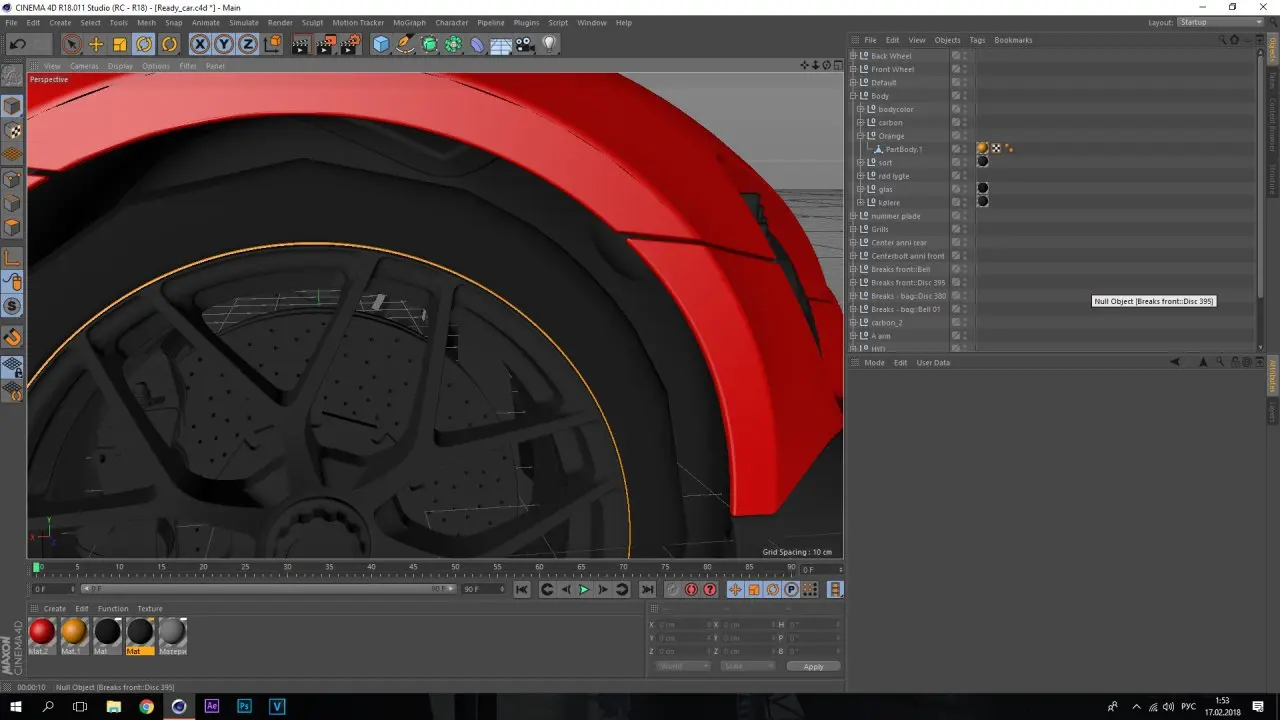
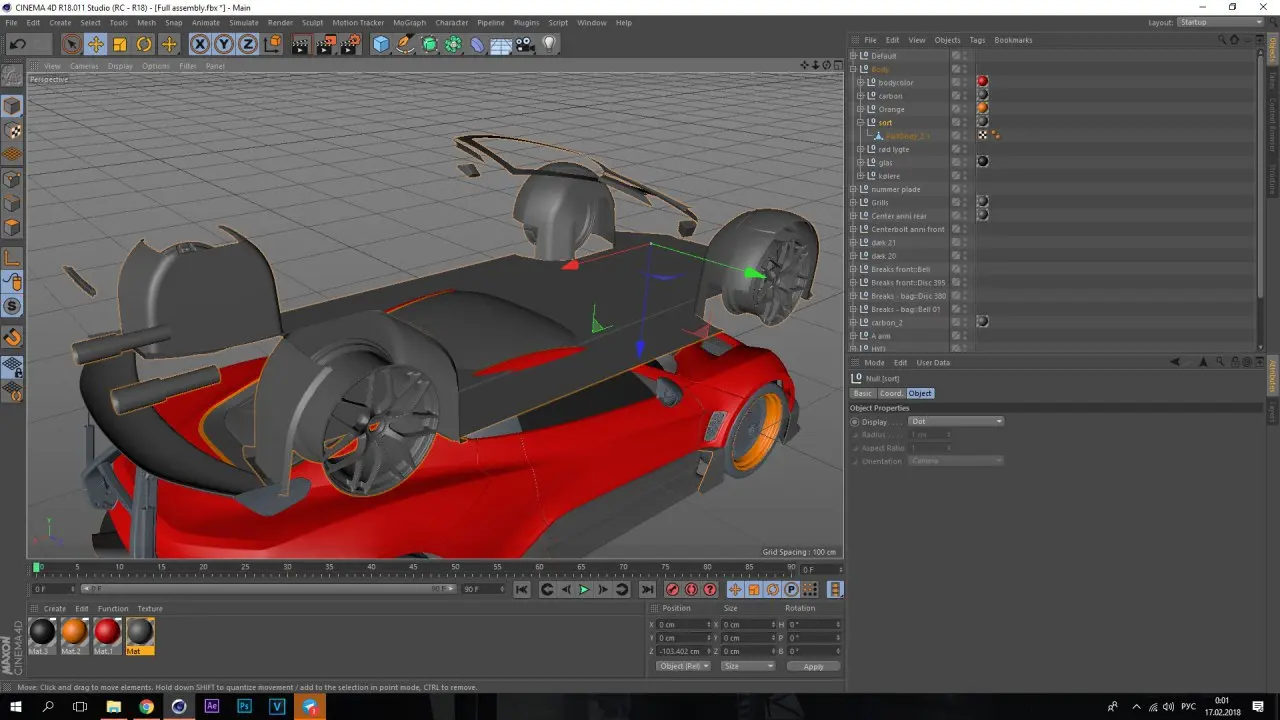
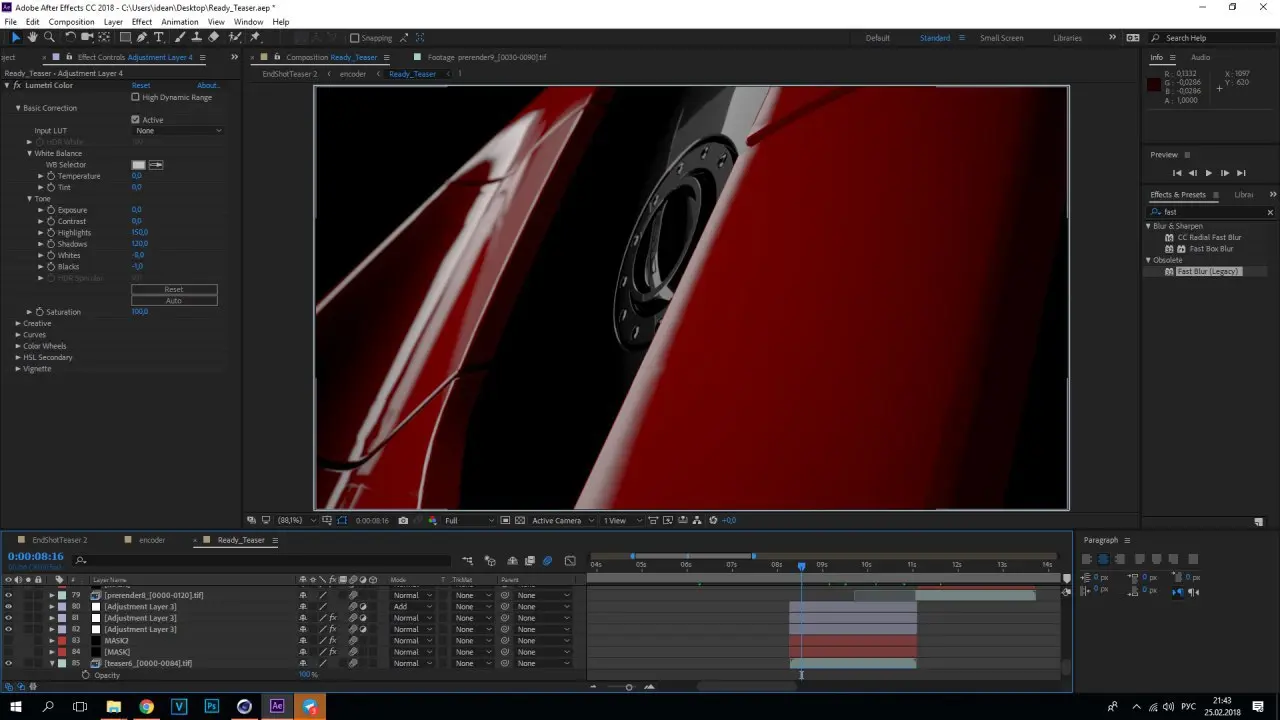
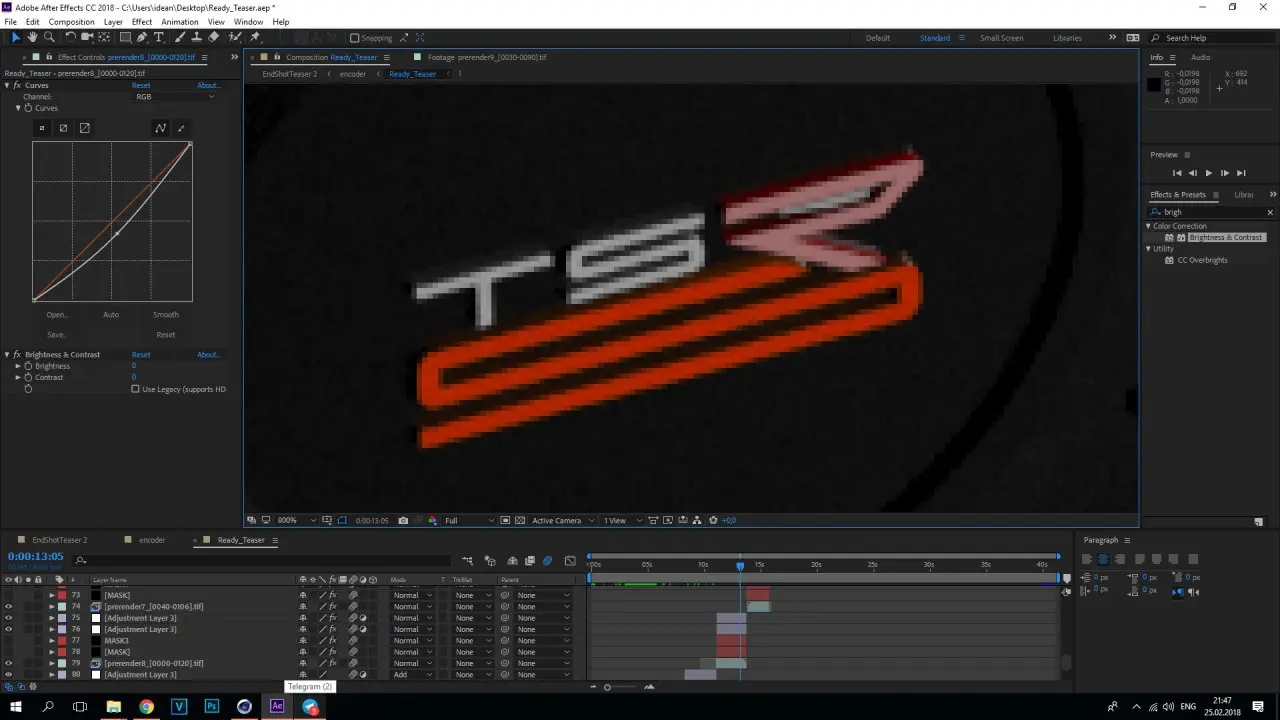
At the time I was only really finding my way into commercial CG, so a project at that level felt like a big deal. The film took about a month: Cinema 4D, materials, lighting, cameras, renders, then After Effects, compositing, grading, masks and more renders. Then revisions. Then revisions to the revisions :)
All of it also had to be approved by the ZENVO team in Denmark. And, interestingly, I still have a pile of screenshots from that period. In one message they ask for a red that is more red because it is drifting towards orange; in another, the headlight materials need reworking. Add the logo here. Remove a piece of the wing there. Hide the car’s internals more behind the grille.
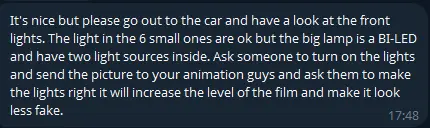
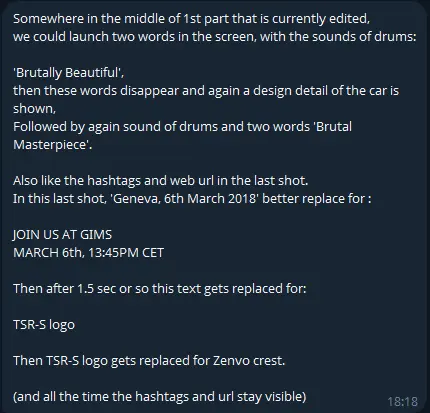
CG archaeology
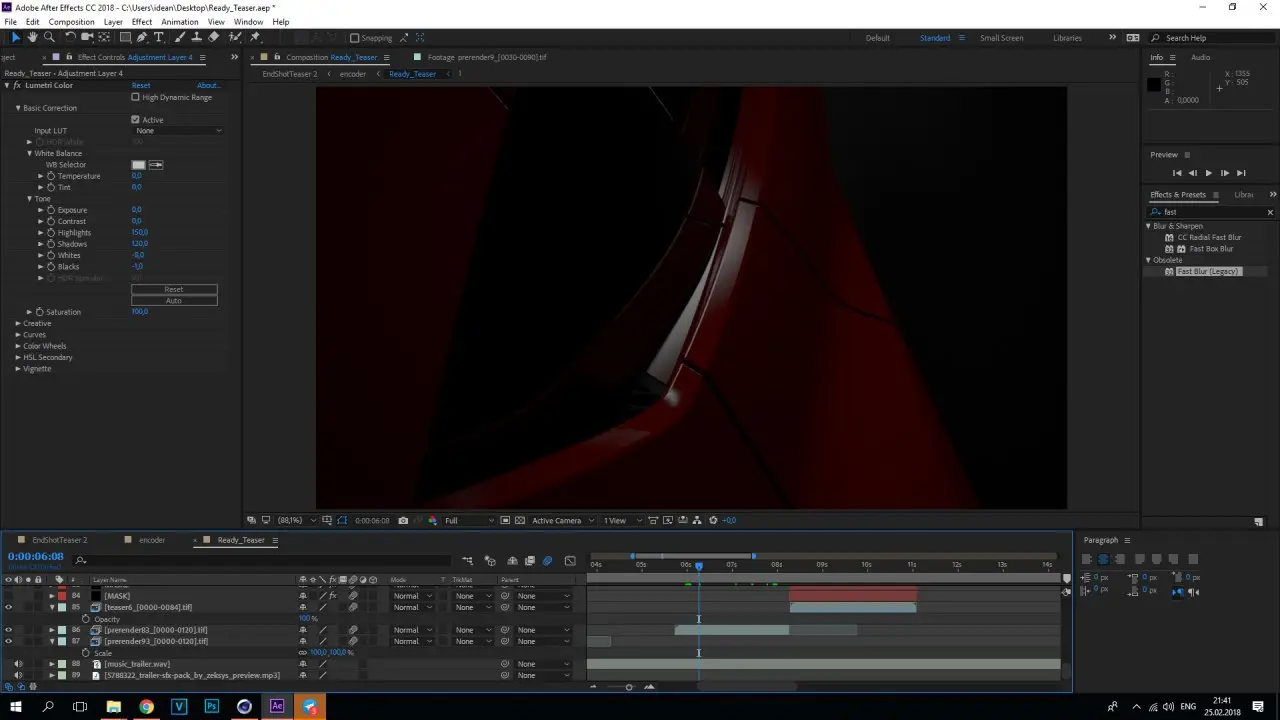
In 2017 none of that meant “change two words in a prompt and press Generate”. You went back into the scene, fixed a material or geometry, rendered again, then rebuilt the shot in After Effects. Around and around.
Looking at those old Cinema 4D and AE screenshots now - packed with layers, masks, adjustment layers and render sequences - feels like its own branch of CG archaeology :)
Geneva, 6 March
In the end the film was approved. On 6 March it was used during the presentation of the new ZENVO TSR-S hypercar in Geneva. For me then, that was a genuinely big moment.
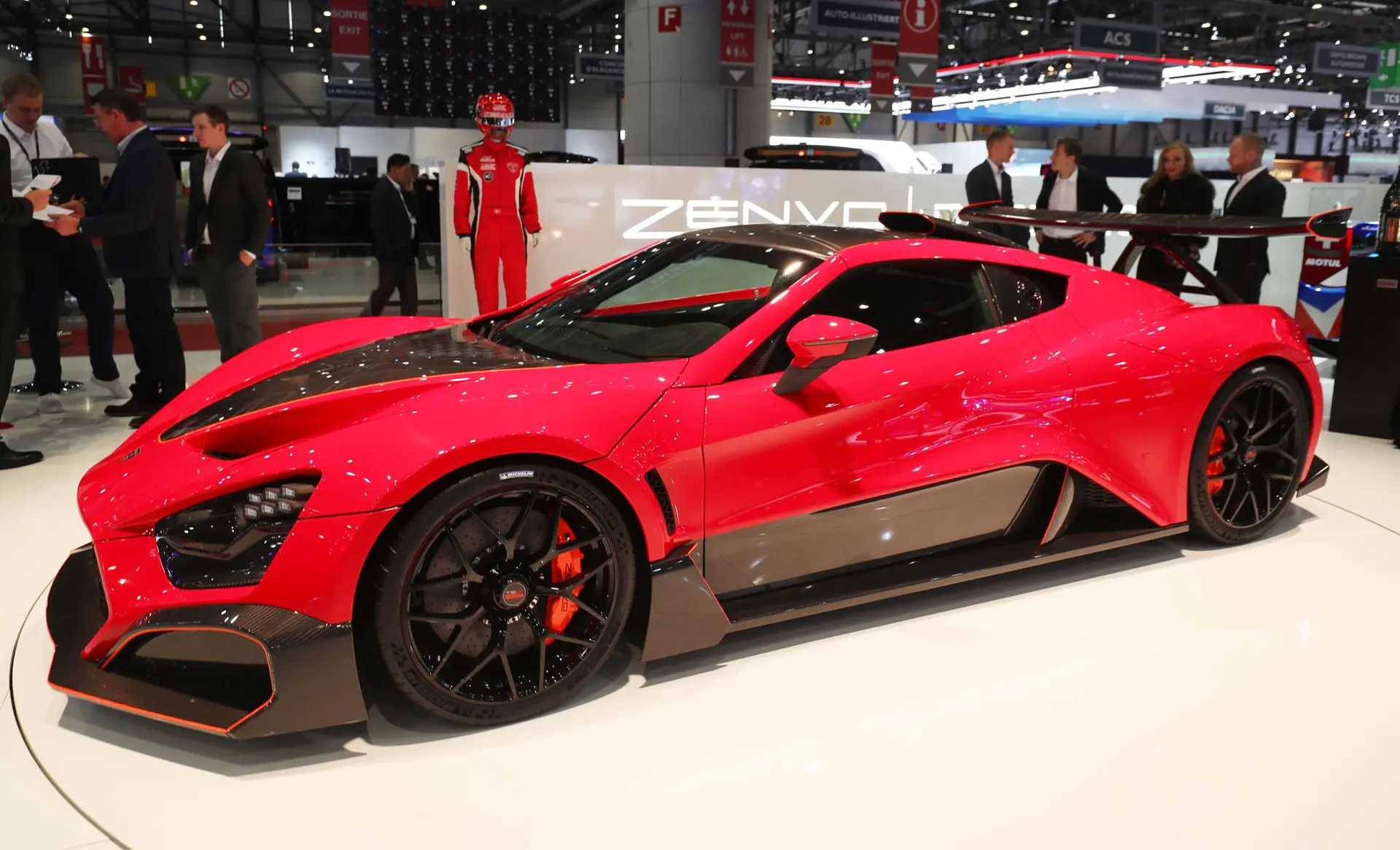
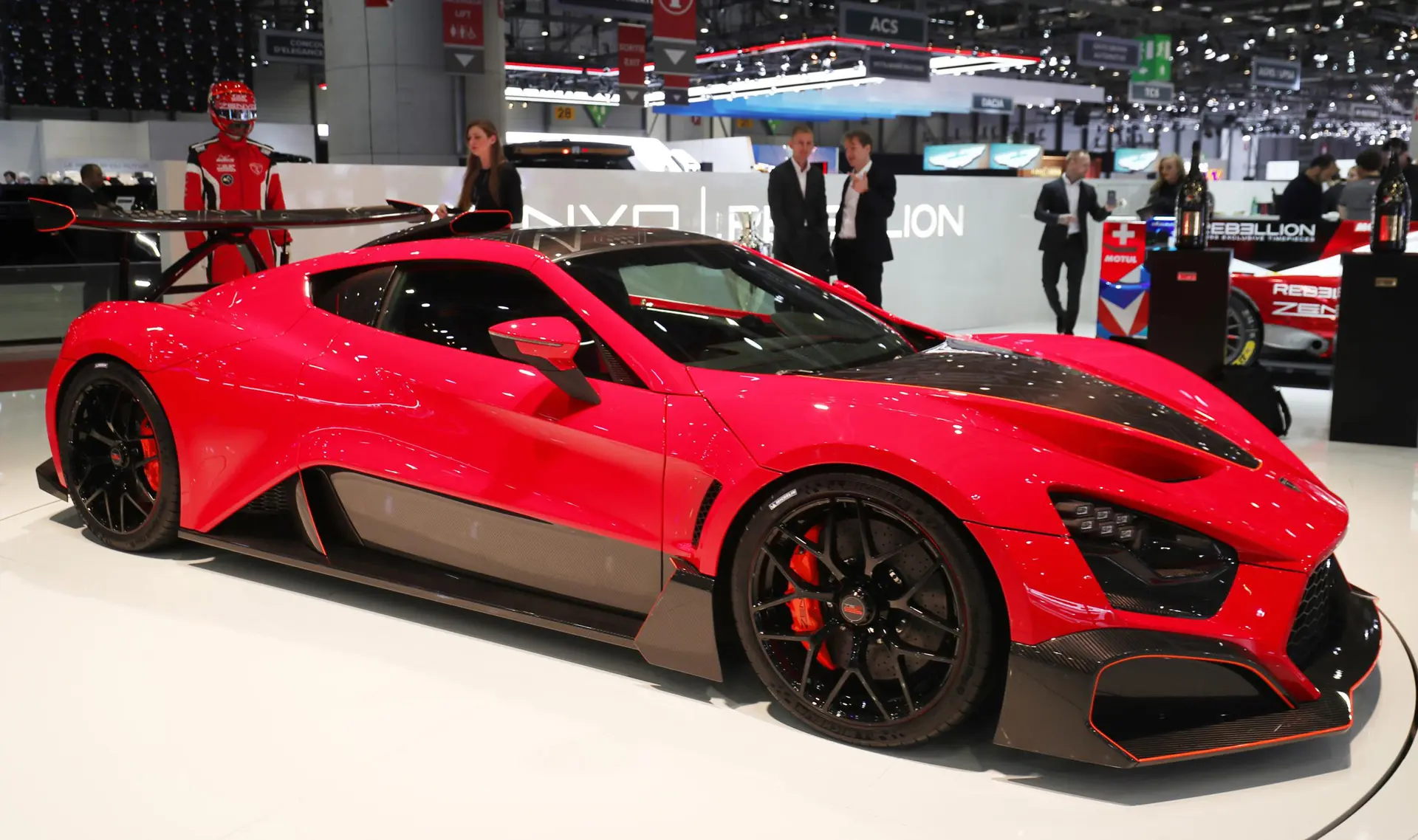
You are sitting at your own computer for weeks, moving lights, recolouring materials and rendering yet another version of a headlight - and then the result becomes part of the presentation of a real hypercar at a major international show.
The film stayed in my portfolio after that. The site changed, the work got more complex, Unreal Engine and realtime arrived, together with many other commercial CG projects. But I kept carrying ZENVO forward. Probably because it is one of those jobs that anchors a specific point in your life and career.
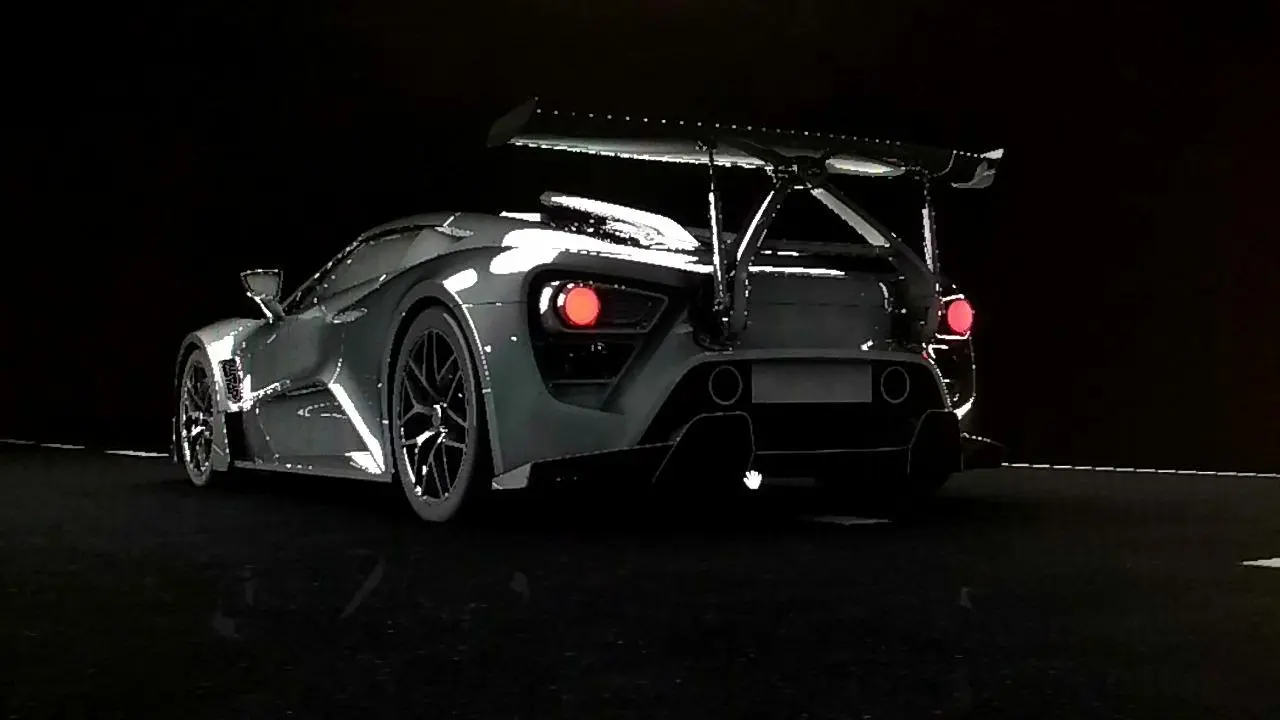
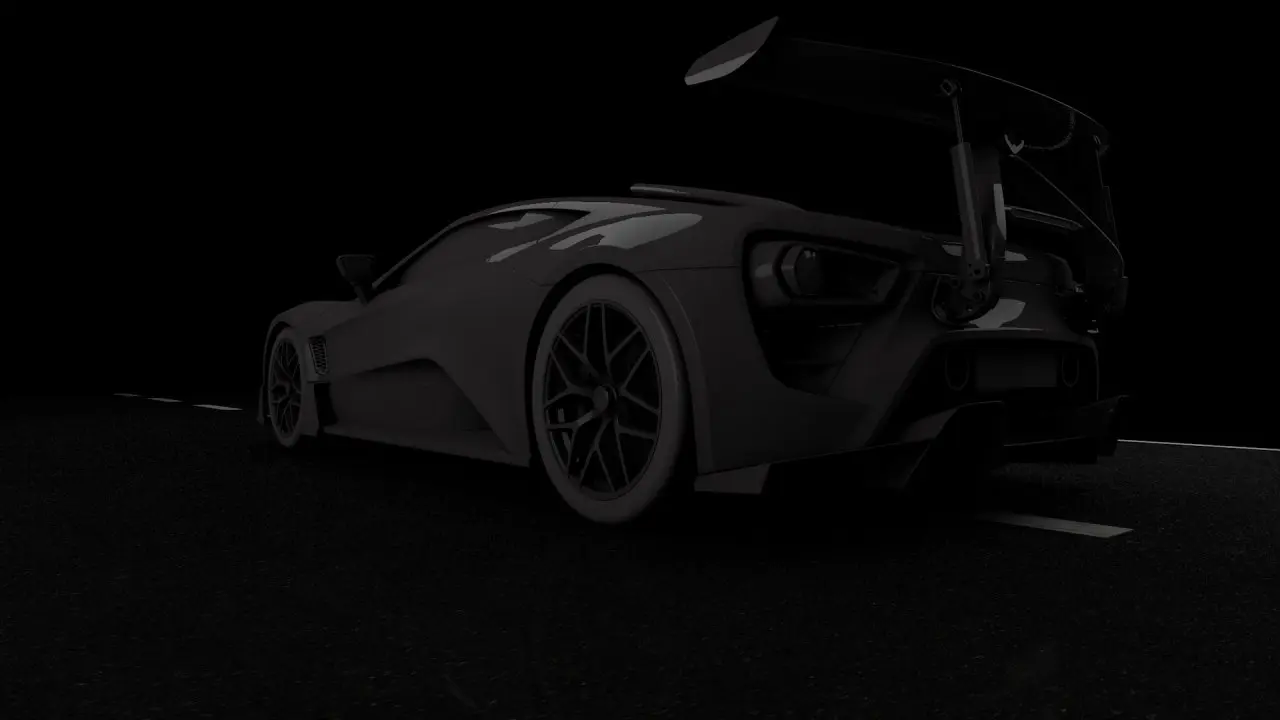
Almost nine years passed. I watched the film a few times and wondered: how long would it take to make roughly the same thing today?
Not by opening the old scene. Not by rebuilding everything by hand in Cinema 4D. By using what is happening with AI right now. That was the start of a small experiment.
The DNA of the old piece
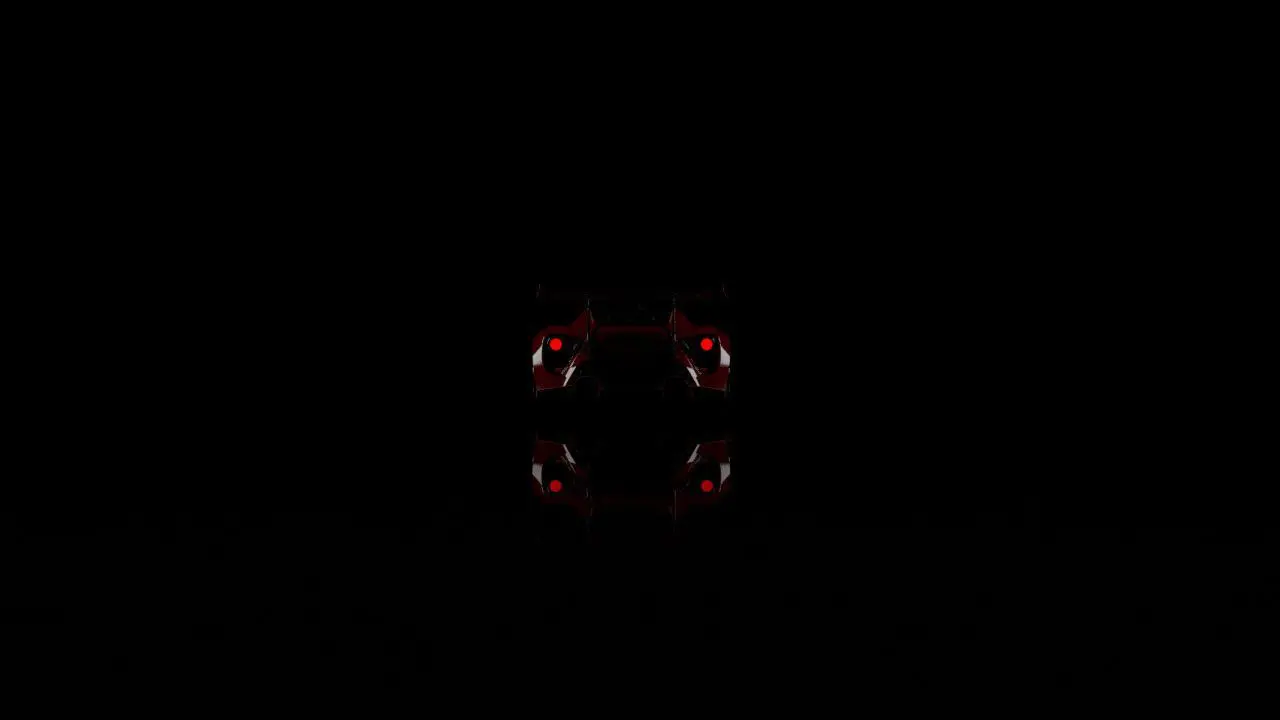
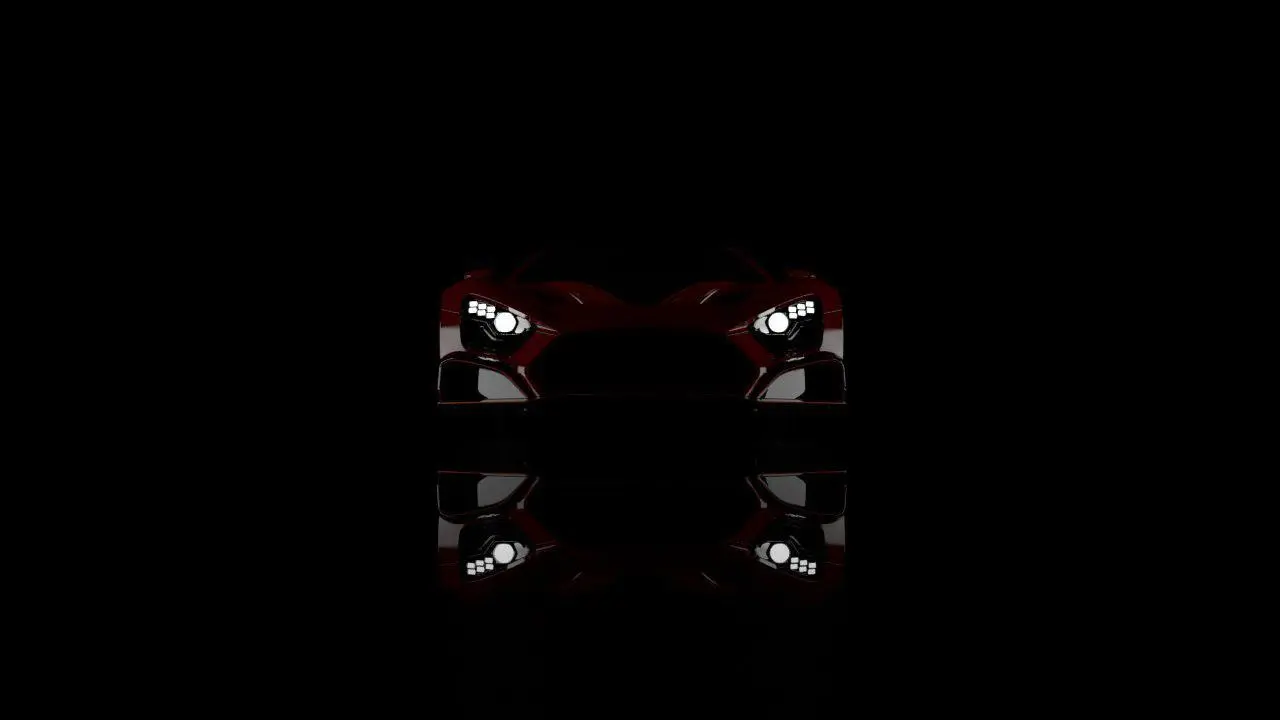
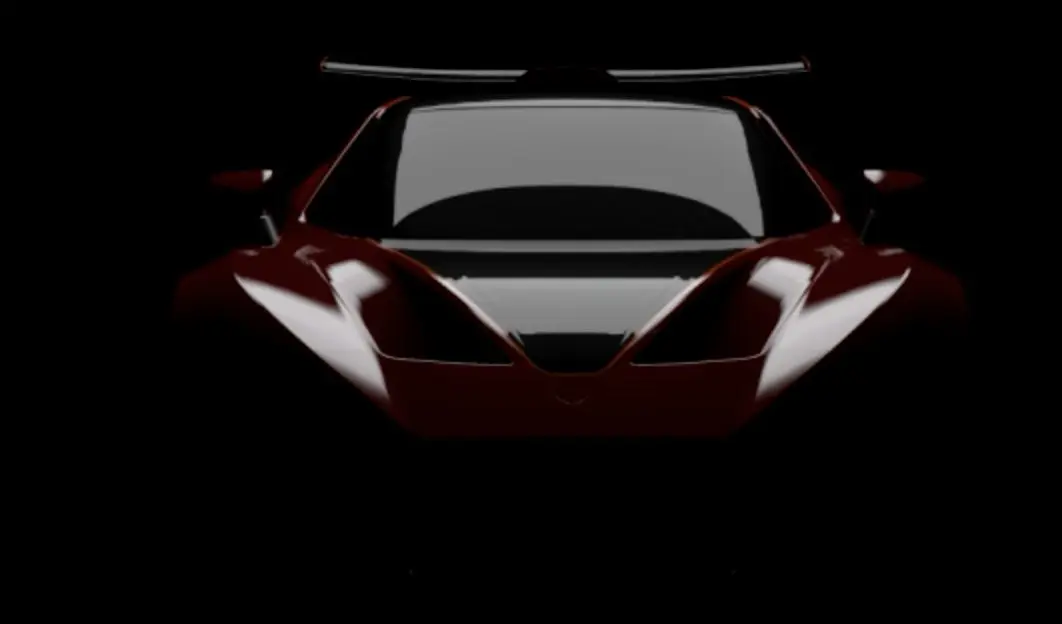
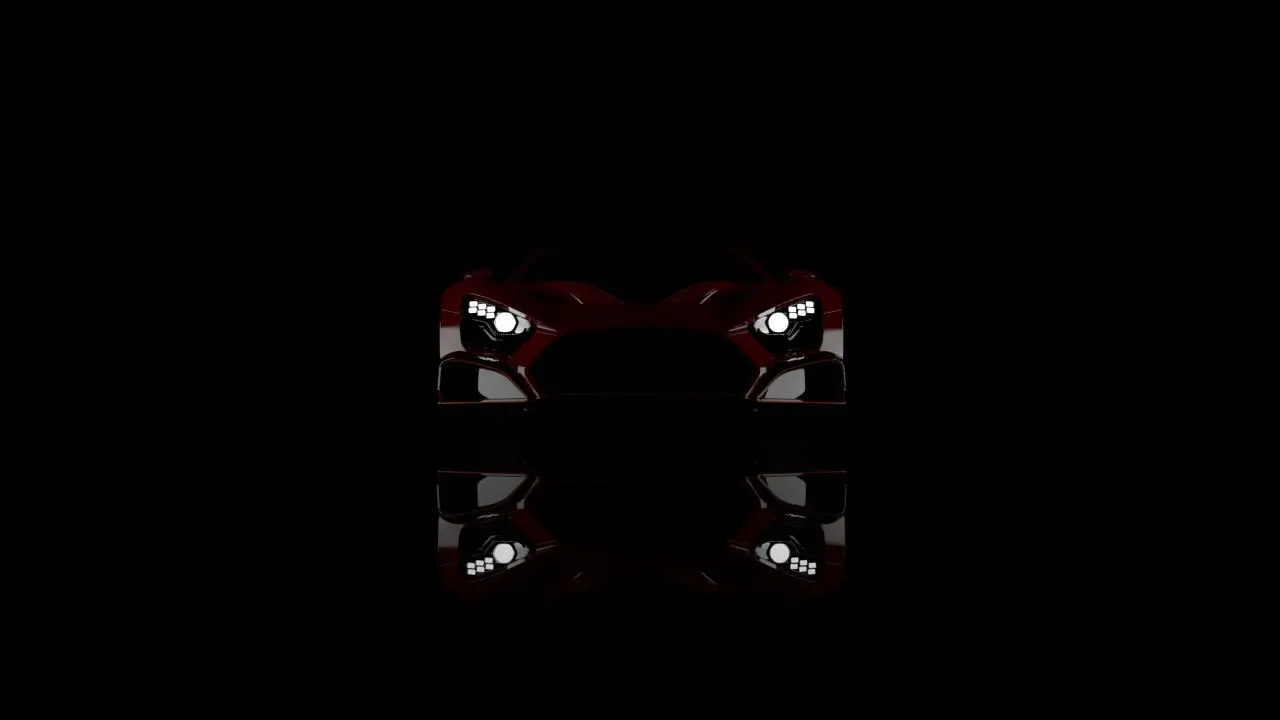
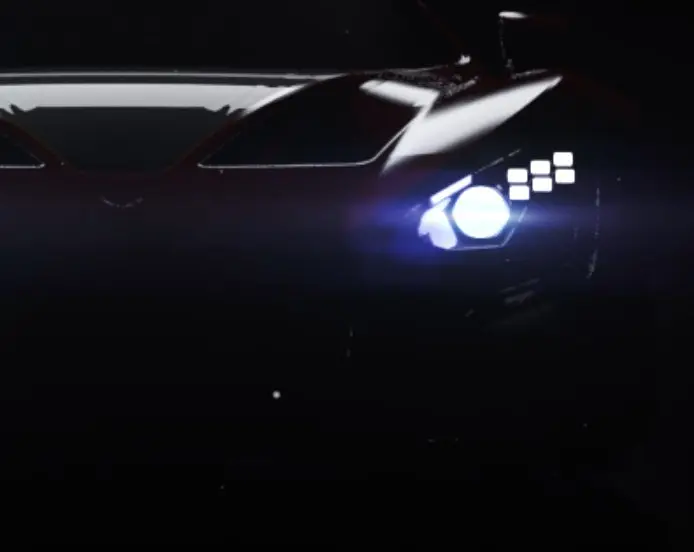
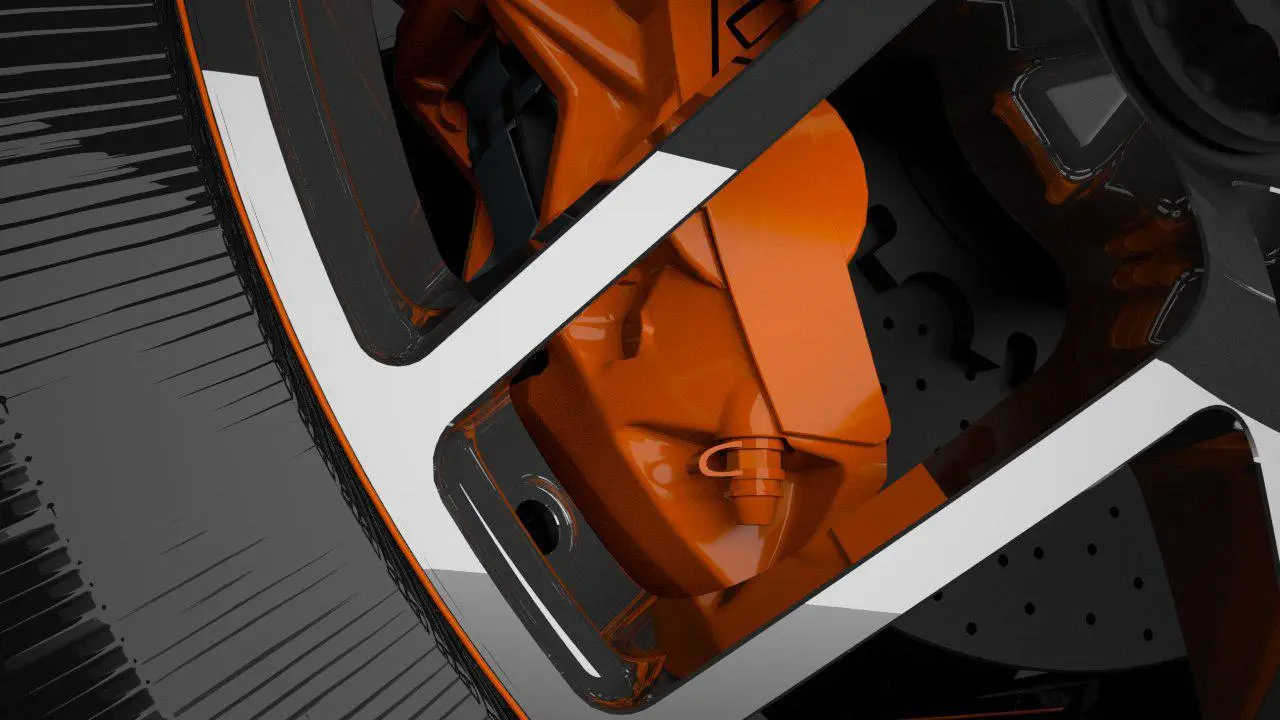
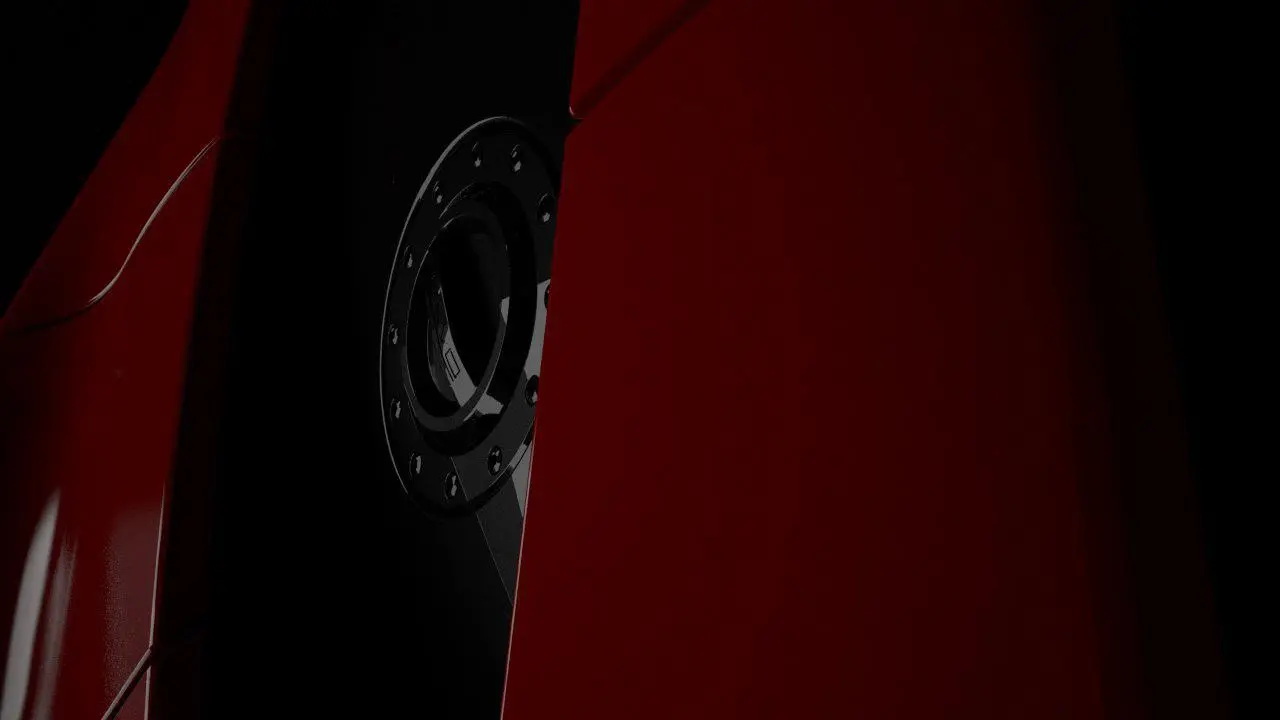
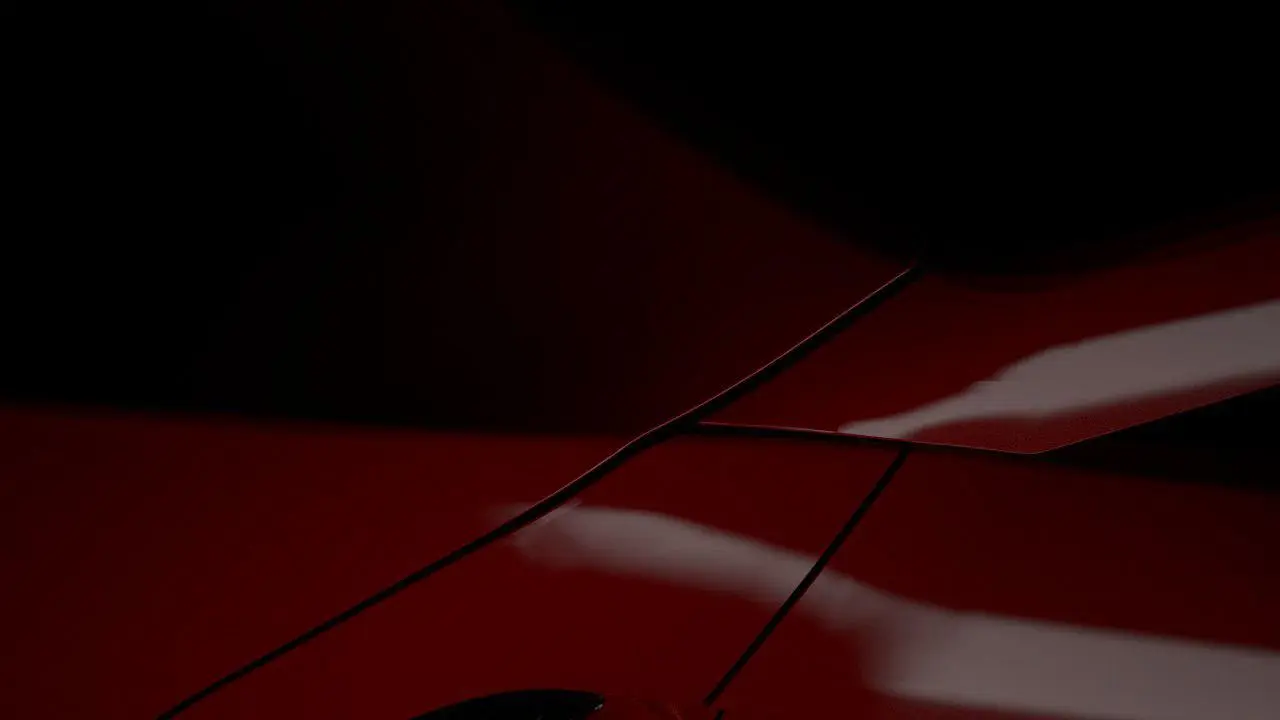
I used the old film as a guide for the edit and overall language: a dark studio, a red ZENVO almost entirely hidden in the dark, close-ups of the body, light slowly moving across the surface. At one point you only see a wheel, somewhere else a piece of roof or carbon fibre. At the end the car sits in near-total darkness before the headlights snap on.
I was not trying to invent a new commercial from scratch. The point was to keep as much of the original work’s DNA as possible and see how far modern tools could take it.
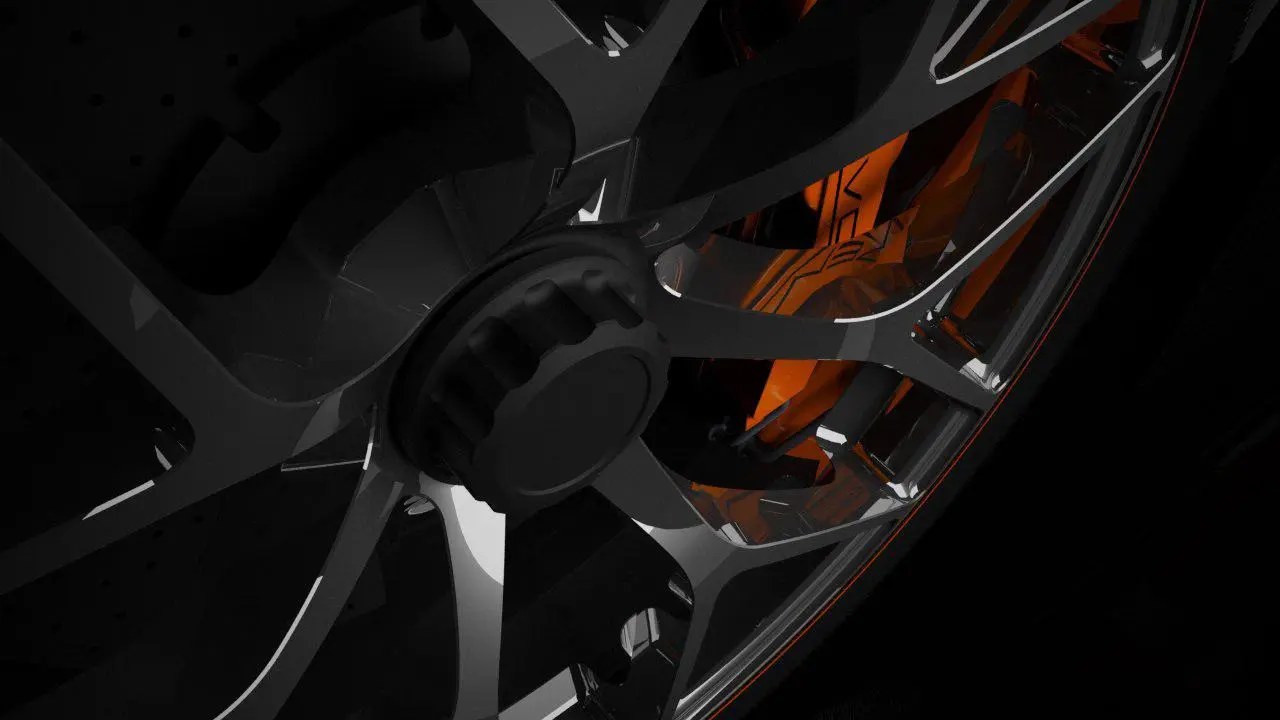
AI likes to invent things too
I used a combination of Neurover, GPT Image 2 and Seedance 2.5. First I built the required shots and the car’s look through still images. And very quickly it became clear that AI is not magic :)
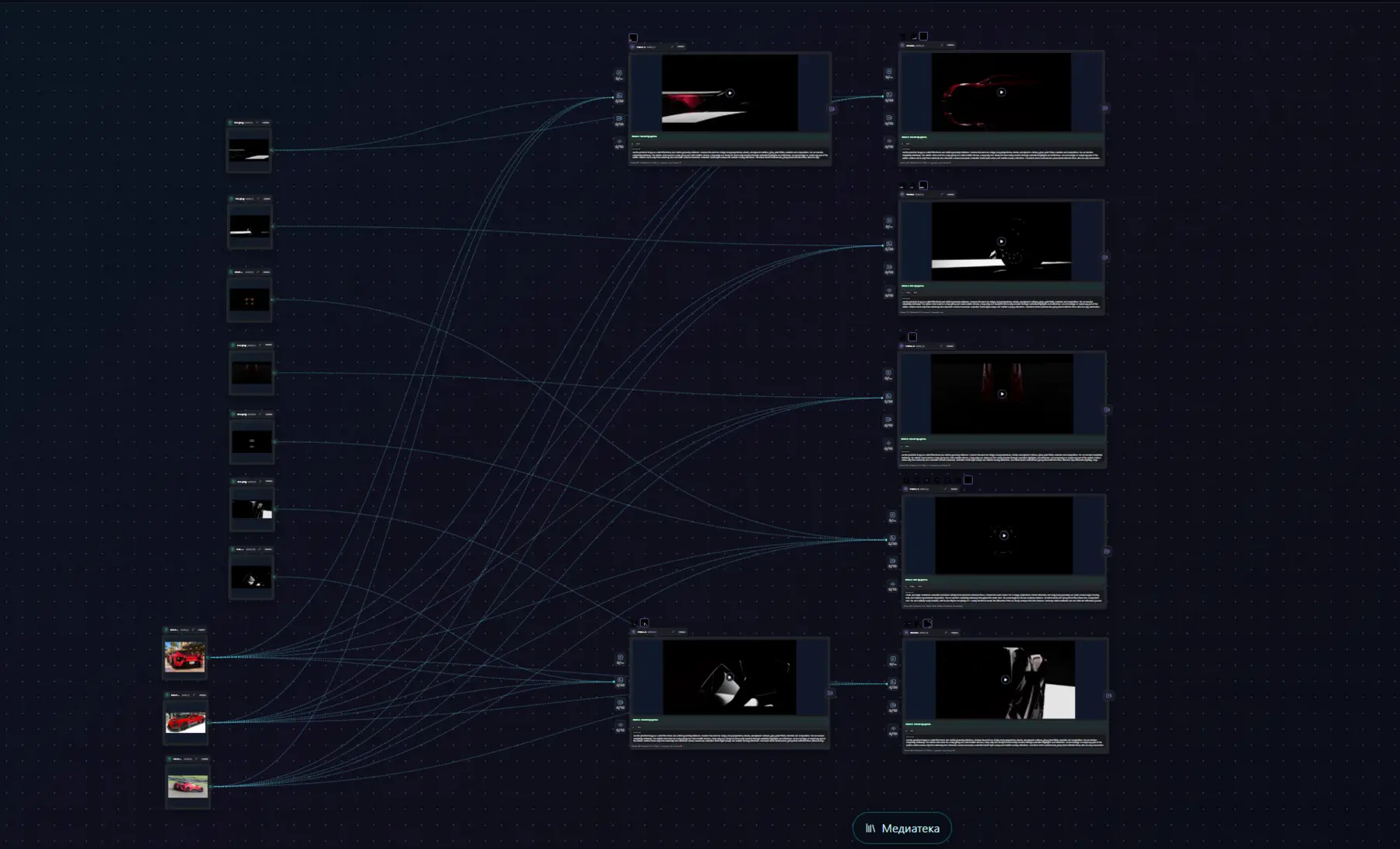
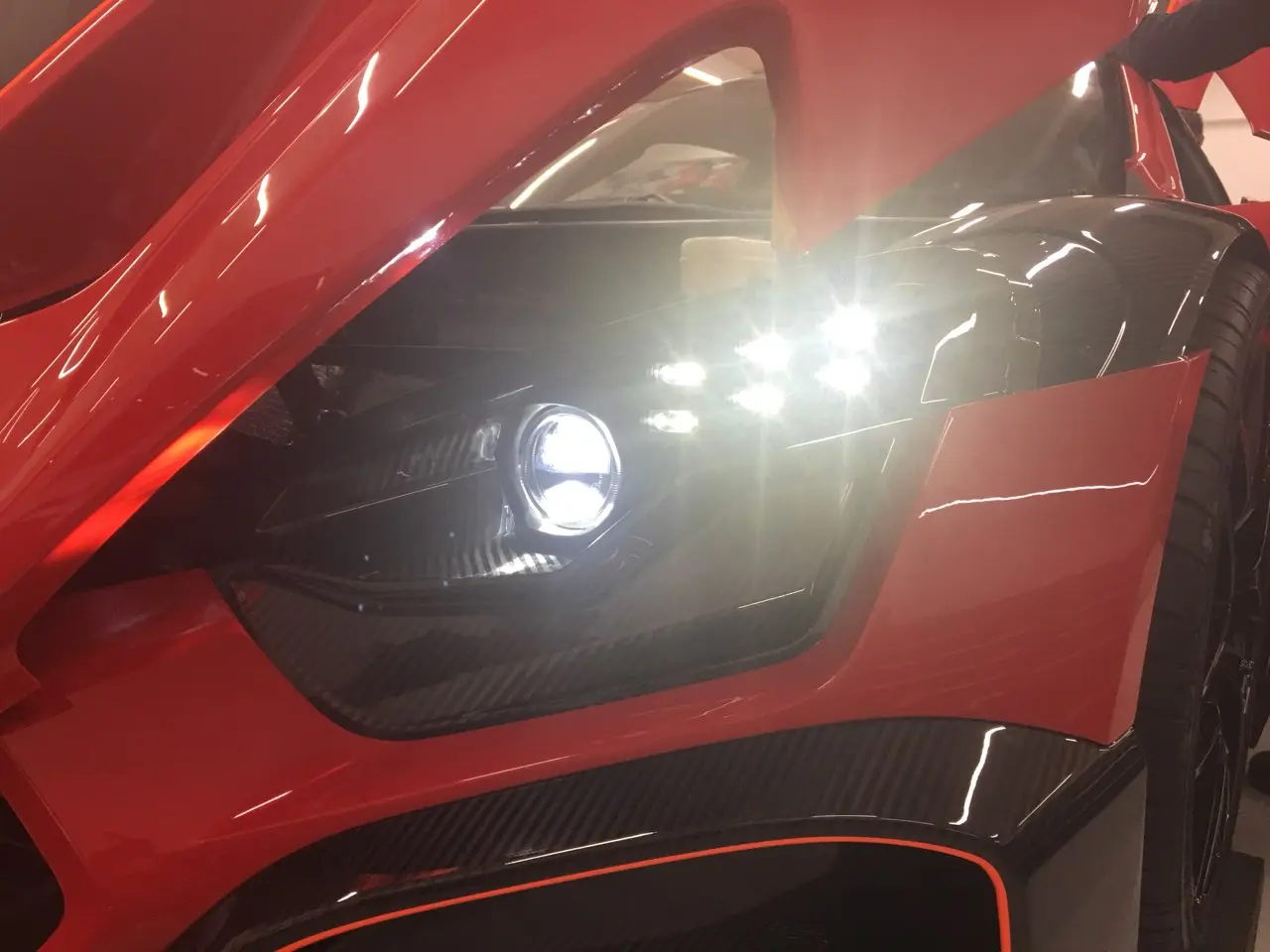
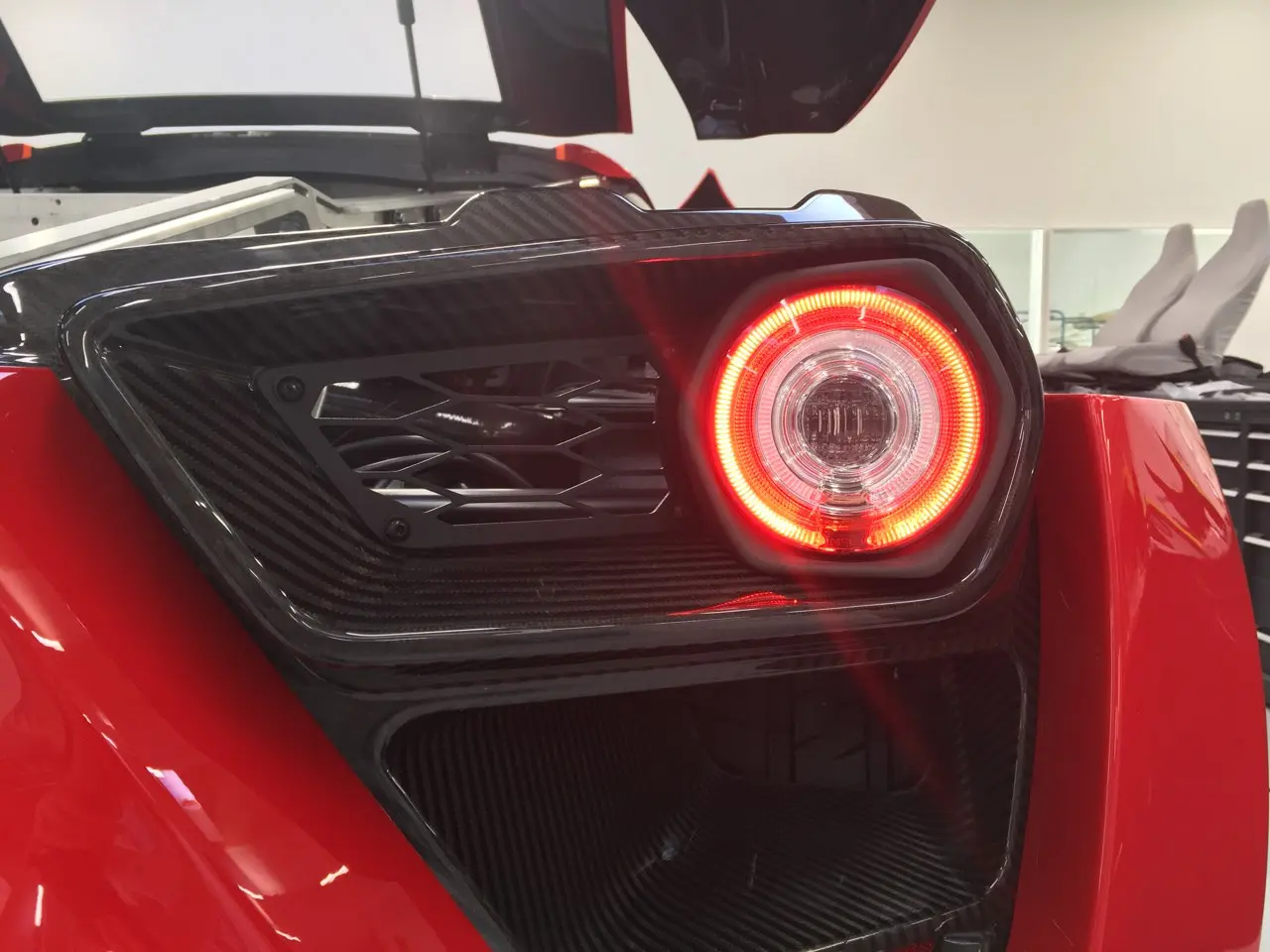
Writing “make a red ZENVO in a black studio” is not enough, especially when you know exactly what the car should look like. You start checking the front bumper, wings, optics, intakes, carbon and the proportions of the body - and you see where the model starts fantasising.
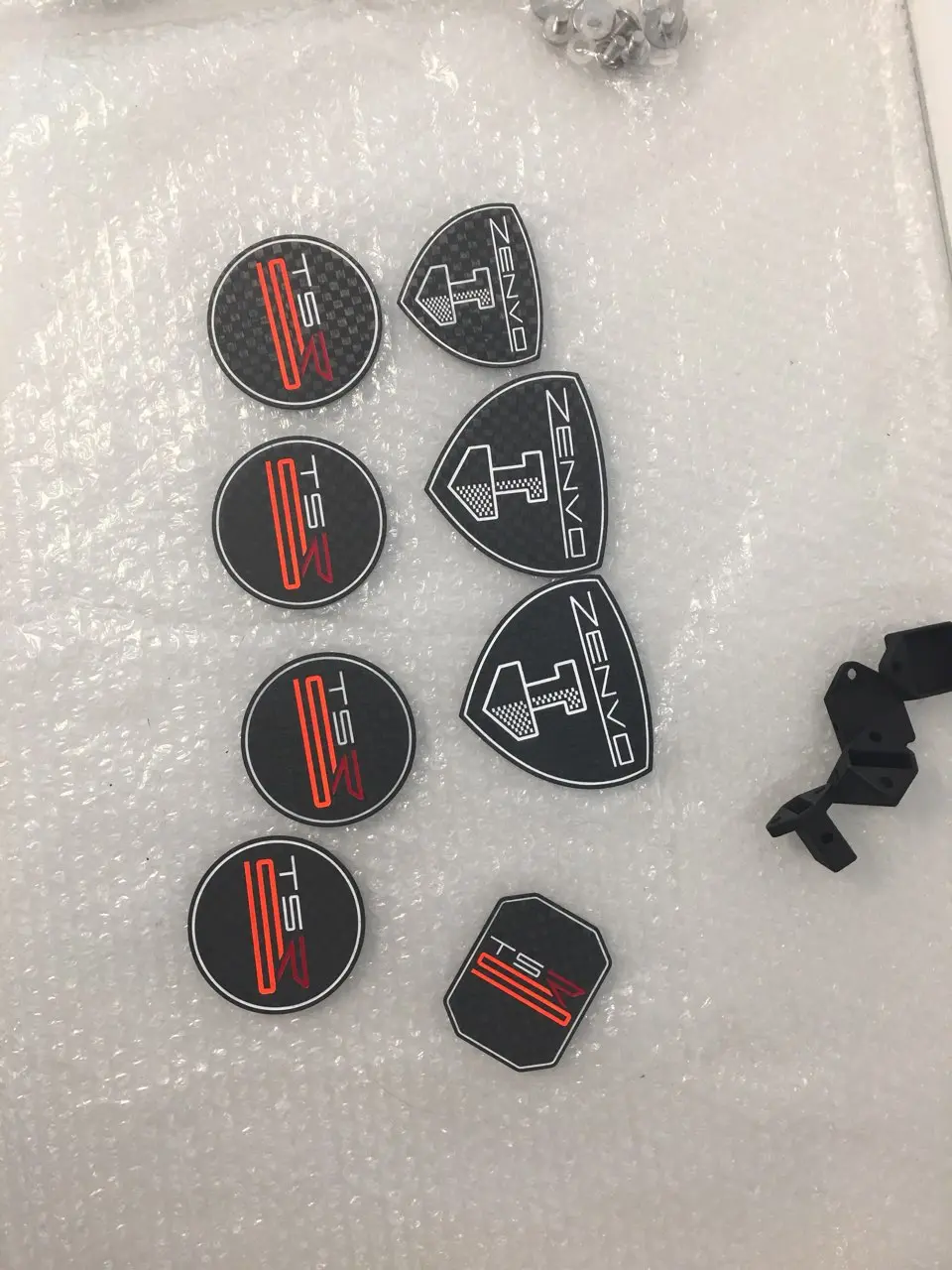
Some of the first generations made the car grey altogether. Another produced something close to the shot I wanted, but put the wrong badge on the wheel. Sometimes the ZENVO resemblance disappeared almost entirely and a different car turned up. In one version, the air intake was simply sealed shut :)
An image can look impressive, but when it is supposed to show a specific car, details like these jump out immediately.
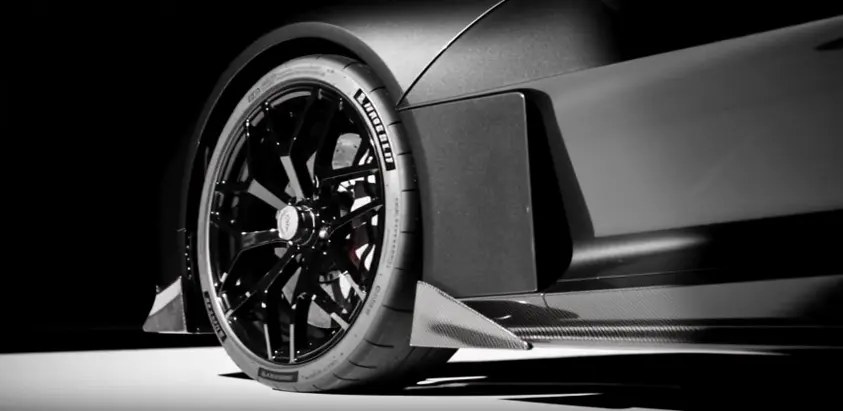
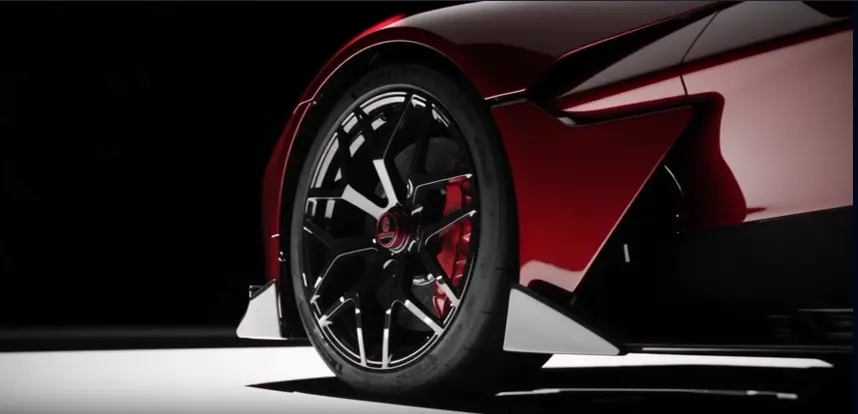
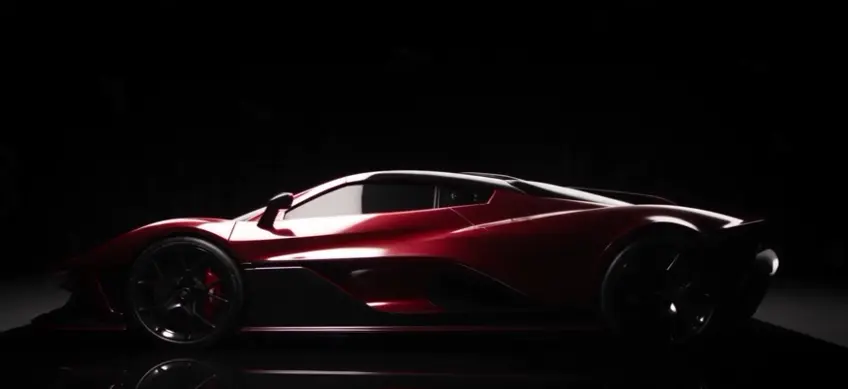
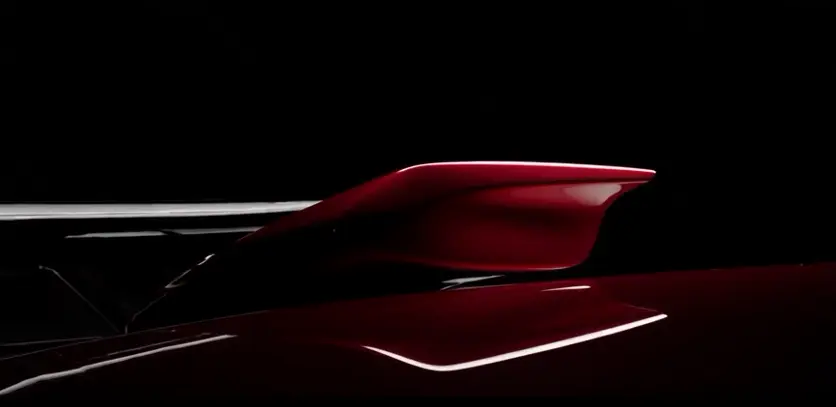
So I gathered reference photos of the real car from different angles again, pulled up my old renders and checked how the individual parts were actually built. The paradox is that almost nine years later I was once again studying the same ZENVO. Only this time, instead of tuning materials in Cinema 4D, I was explaining to a neural network what it was not allowed to change :)
When a frame has to live
The finished stills then went into Seedance to generate movement. This is where it gets interesting. Making a beautiful individual frame is no longer a problem. The problem starts when that frame has to live.
The camera moves a little and the air intake has a different shape. Light travels across the car and some body line decides to change geometry. The rear wing starts living its own life. Small details morph. Logos are a separate story: if you need a specific correct badge or brand mark, trusting generation completely is still a brave move.
The clearest example was the final shot. I needed the car to remain in darkness and then have its headlights turn on sharply within one continuous shot. Sounds simple. But several times the model treated that sharp light cue as an instruction to replace the entire frame - not headlights switching on, but almost a hard cut to another car :)
That is when you understand that human control has not gone anywhere. You rewrite prompts, constrain the motion more precisely and explain that the car must remain still while only the light source and its reflection may change. Sometimes it is easier to run several generations and choose the one where the model did not decide to be creative that day.
Three hours instead of weeks
Still, one important thing remains: the new version took about three hours. Three. Not a month. Not several weeks. Three hours.
Of course, the comparison is not entirely fair. I already had the old film, I was not inventing everything from scratch, there was no client and no several rounds of ZENVO approvals. No one was writing that the red was too orange today :) There were no renders to wait for. I already knew the shots, the edit and the destination.
I rebuilt only the shots featuring the car. I did not remake the typography; in the edit I simply swapped the old automotive shots for new ones.
One shot the model decided to make its own way. I liked it, so I kept it in place of the old one: the straight side-profile shot now used as the cover.
But still: three hours for something that used to require weeks technically. That is a little mind-bending.
The speed of iteration
The most interesting part for me is not even how pretty the pictures have become. It is the speed of iteration. Before, simply testing a frame idea meant setting a camera, a scene, lights and materials, then making a test render. If it did not work, back to the beginning.
Now, in that same time, you can test five different variants. Camera too close? Move it back. Too much of the car visible? Hide almost all of it in darkness. Need another light? One more generation. Need a close-up of the wing or wheel? Fine. The speed with which you can now search for an image may be the biggest change of all.
Of course, this experiment could have gone further. More reference material, and separate control over wheels, textures, logos and other small details, would reduce problems with branding and vehicle accuracy.
That level of control is not yet part of my current pipeline. But that was not the task here: it was to show how much the design stack in motion design and CG has changed in nine years - and how dramatically the tools and the speed of work have changed with it.
Classic CG is not going anywhere
I would not say classic CG is over, everybody go home. Not at all. If you need absolutely precise car geometry, complex animation, controllable materials, correct logos, several connected shots and the ability to change one particular detail a week later, full 3D production still has a huge number of advantages.
AI still requires constant supervision, especially when you are dealing not with a beautiful random image but a specific product. But it is already very interesting to use as another tool - particularly when you understand exactly what you want to get.
The same car, another monitor
That is probably why I enjoyed this experiment. I literally have the same work separated by almost nine years. In the first version I am in Cinema 4D, making materials, rendering, assembling in After Effects and going through revisions for weeks. In the second version I am sitting in front of GPT Image 2 and Seedance 2.5, telling the neural network:
“No. Don’t move the car. Just turn the headlights on.” :)
The tools have changed almost completely. But the work with image-making is essentially the same. You still choose the angle, decide where the light should appear, decide how much of the object to show and how much to hide, build rhythm, then look at the result and realise something is not working.
Only now, a few minutes can sit between the thought and the result. And that is wildly interesting.
I will not remove the old ZENVO film from my portfolio. Now there will simply be a new version next to it: the same car, almost the same visual language, the same person on the other side of the monitor. Almost nine years between the two films, and weeks of production versus roughly three hours. Let’s see what happens in another nine.